 One Tank of Gas
Text copyright St. Michael's Cemetery Foundation from History of St. Michael's Cemetery.
Pensacola: Seville Historic District:
St Michael
Pensacola: Seville Historic District: St Michael
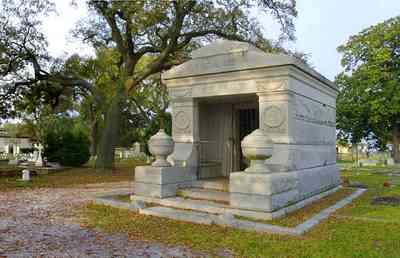
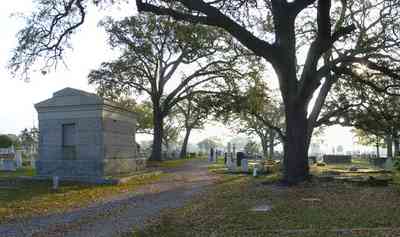
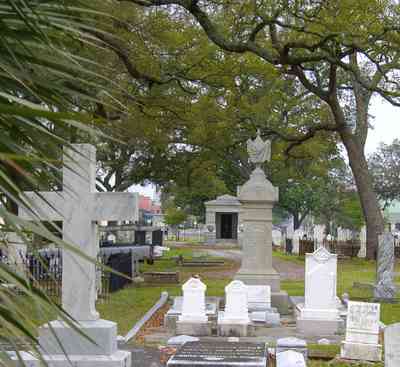
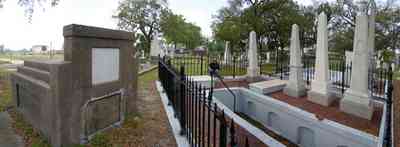
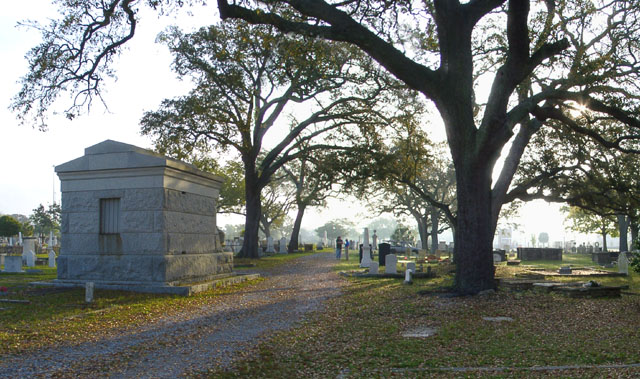
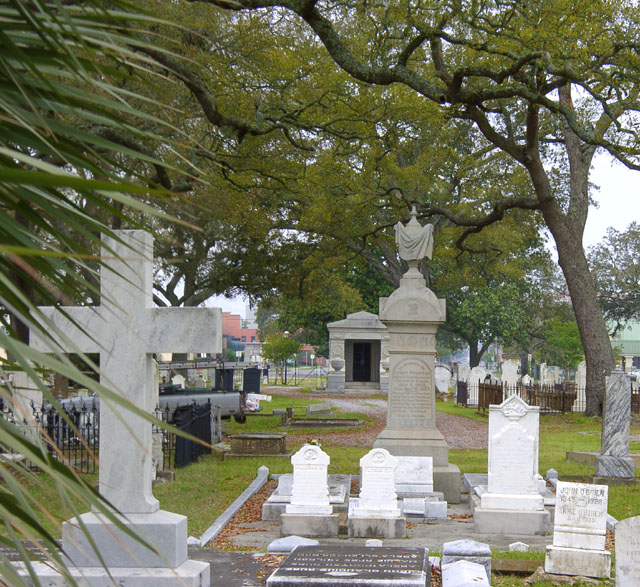
The colonial city of Pensacola grew to the east of the original fort. Townspeople began to build an infrastructure to support the needs of the settlement. Because of high mortality in those early days, one of those needs included the designation of a burial site. Thus, St. Michael's Cemetery was developed on the distant outskirts of the colonial city of Pensacola.
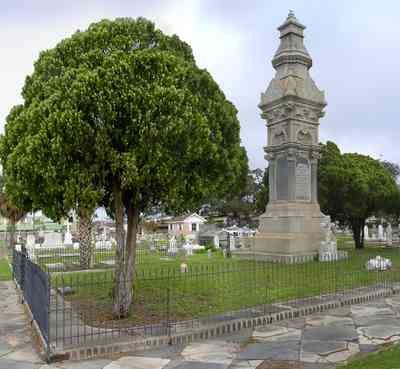
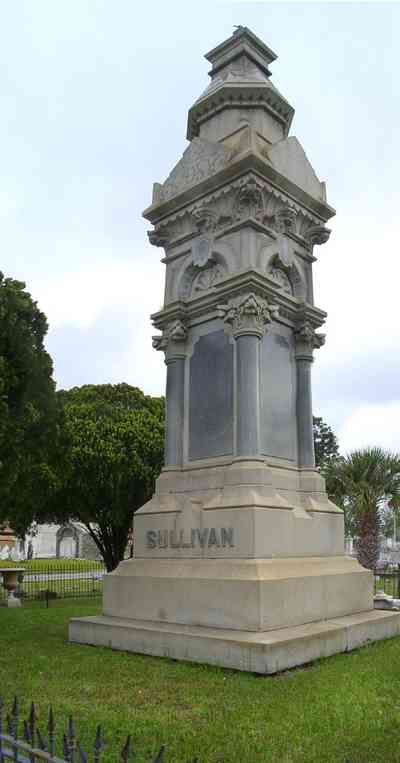
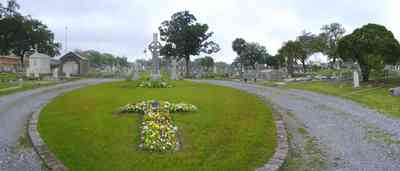
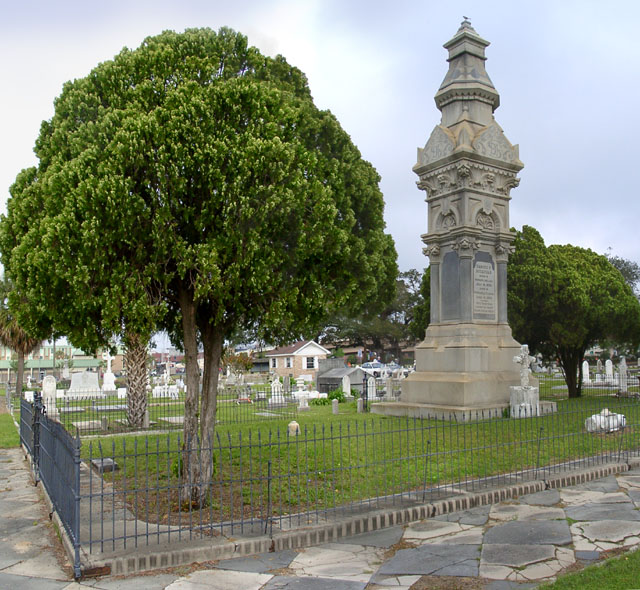
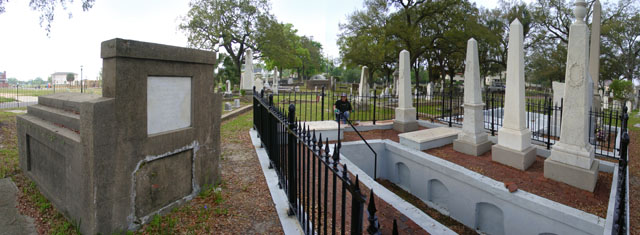
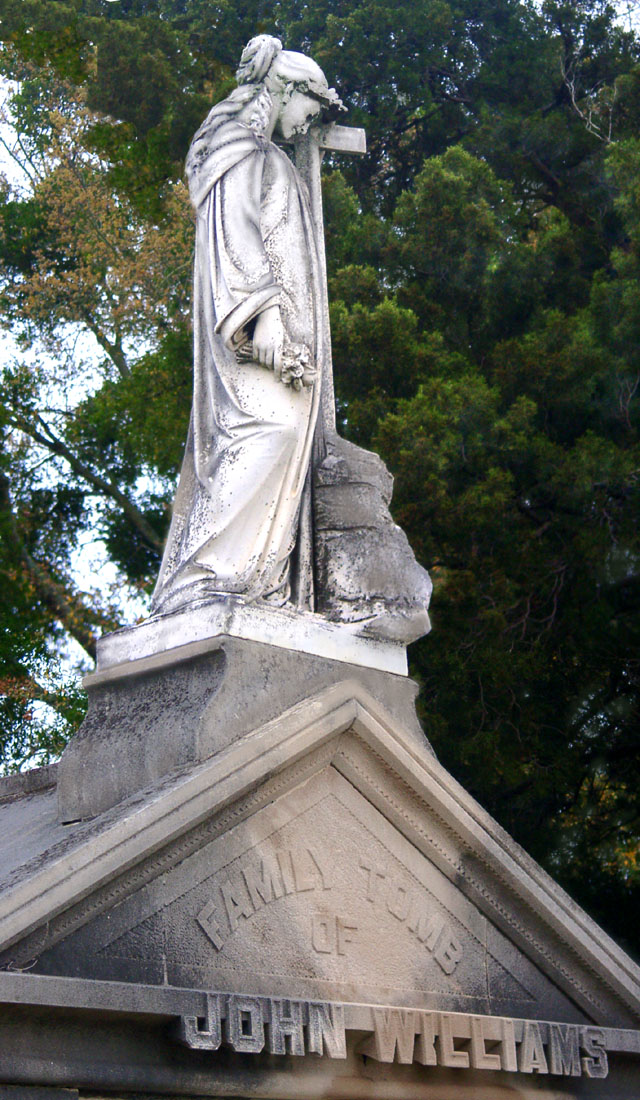
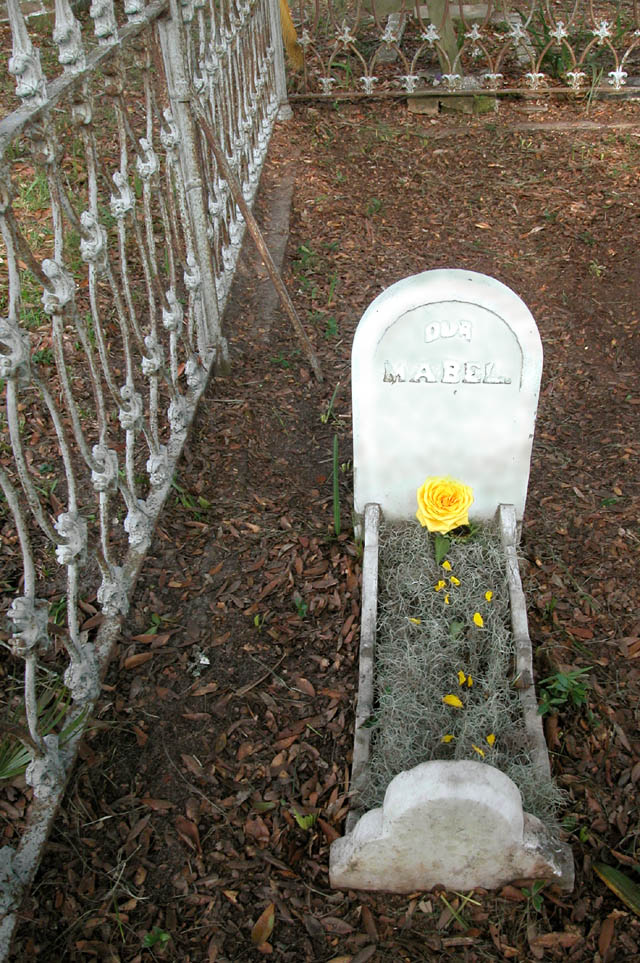
Today, St. Michael's Cemetery is an open-air museum at the core of our urban environment. Formally surveyed by the Spanish in 1807, St. Michael's Cemetery may have been used as a burying ground as early as the mid 18th century. Preliminary investigations suggest that along with the 3200 marked burials, a large number of unmarked burials are also present on the site.
-
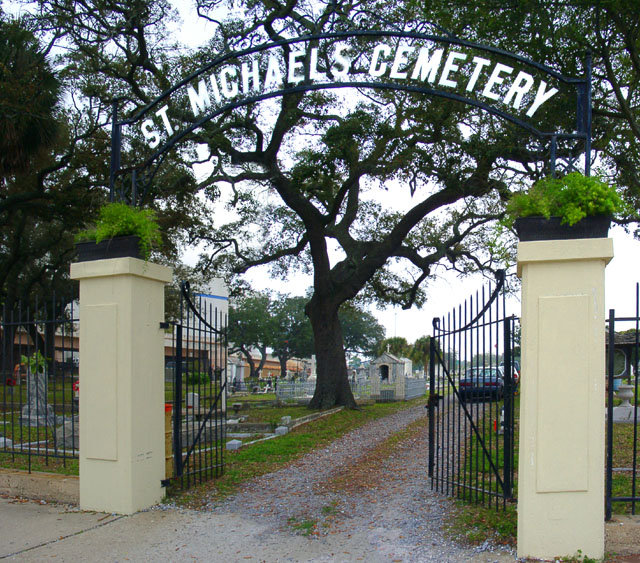
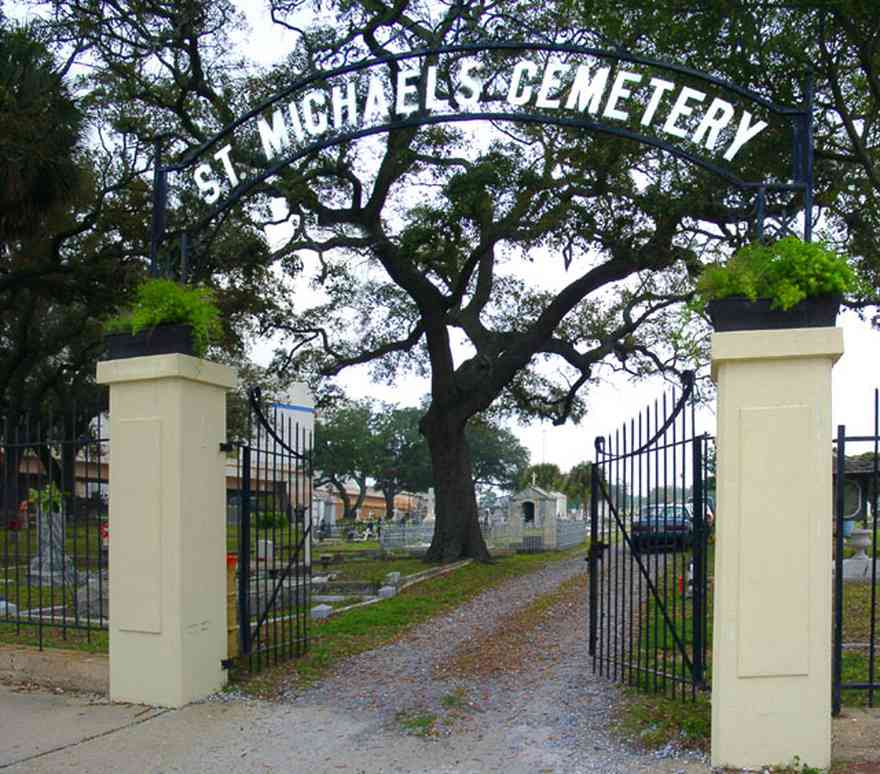 A wrought-iron arch spans the entrance to the cemetery.
 -
-
-
-
-
-
-
-
-
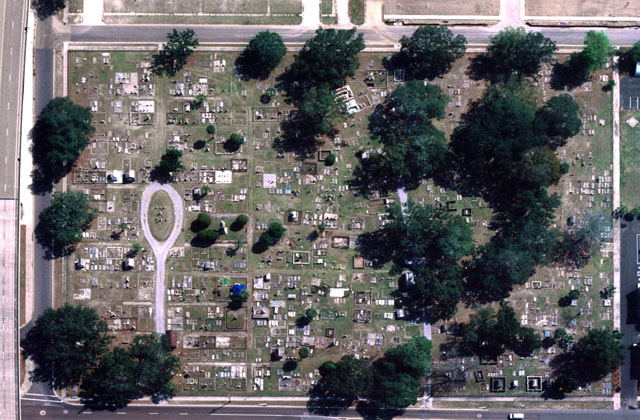
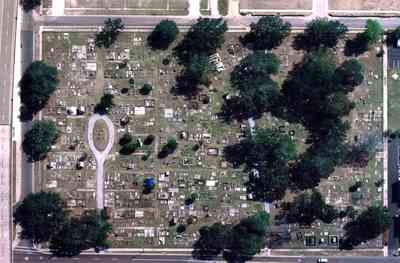 The aerial view of the cemetery shows the grounds in relation to the I-110 exit to the left or north on the photograph. Alcaniz St. is on the bottom or west. The south border is the Institute for Human and Machine Cognition. The top of the photograph and east of the cemetery grounds is the Civic Center overflow parking lot and the Aragon development is located just below the parking area.
 -
-
-
-
-
-
-
-
-
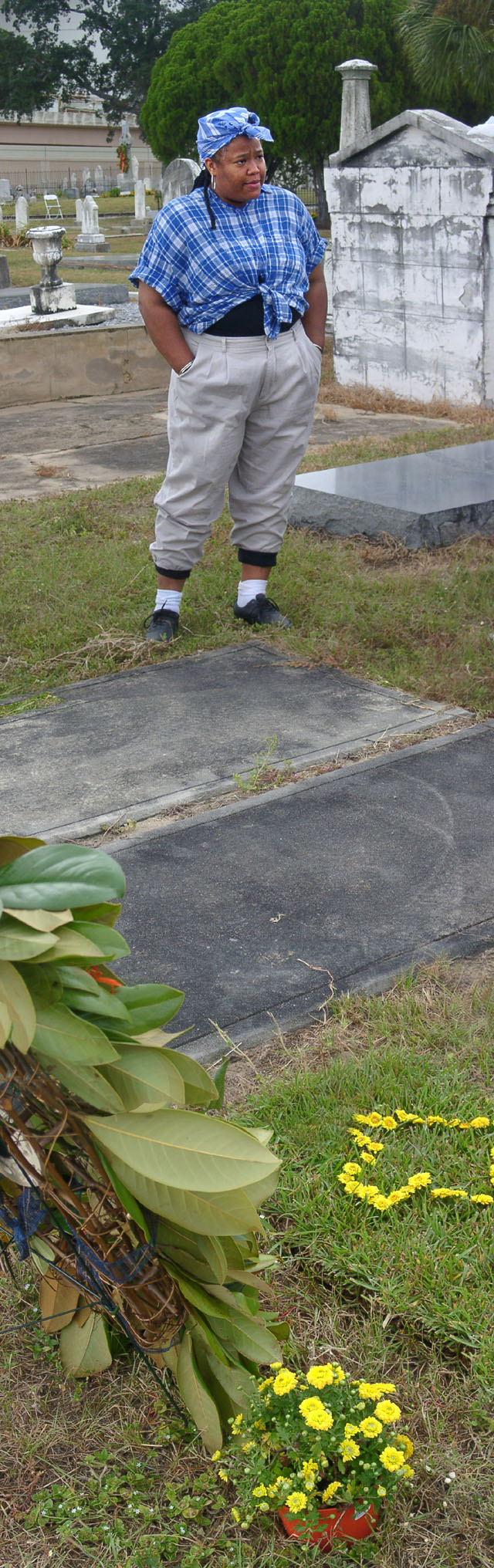
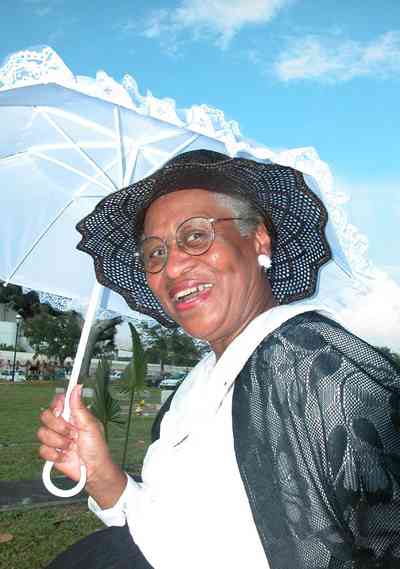 Ms. Lily Townsend presents the story of her ancestor, MaryAnn Brown. In the 1800's Ms. Brown was a French woman who came from New Orleans and married a slave. Her husband was recruited into the Confederate Army during the Civil War but later served the Union forces as a cook. Descendants of the Browns still live in Pensacola.
 -
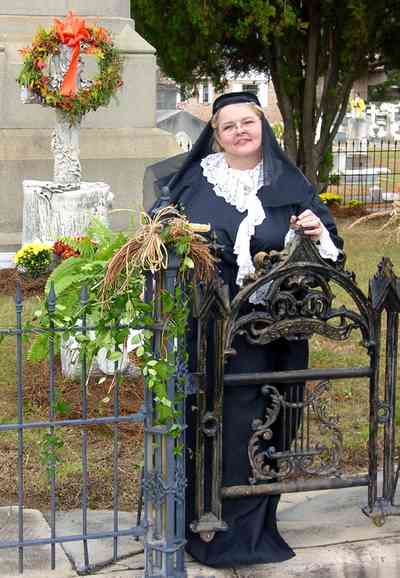
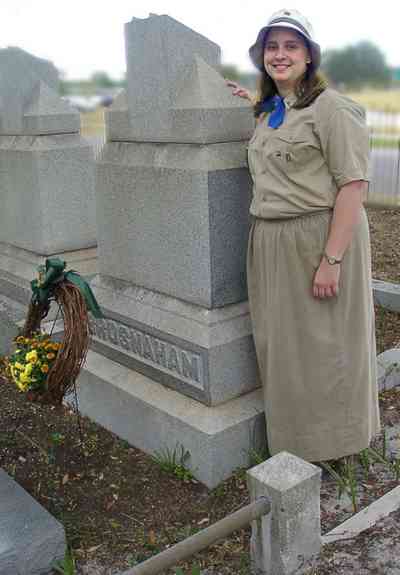
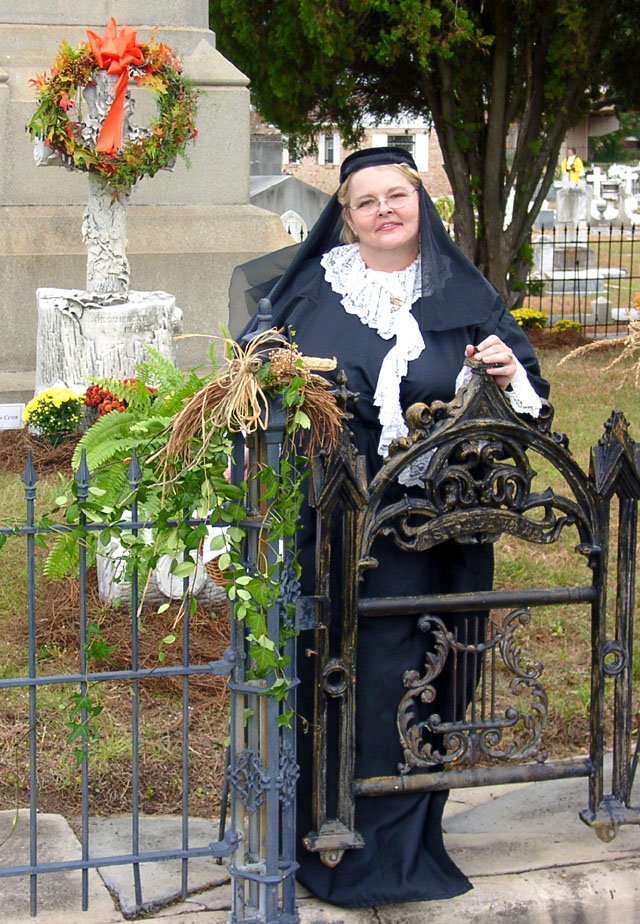
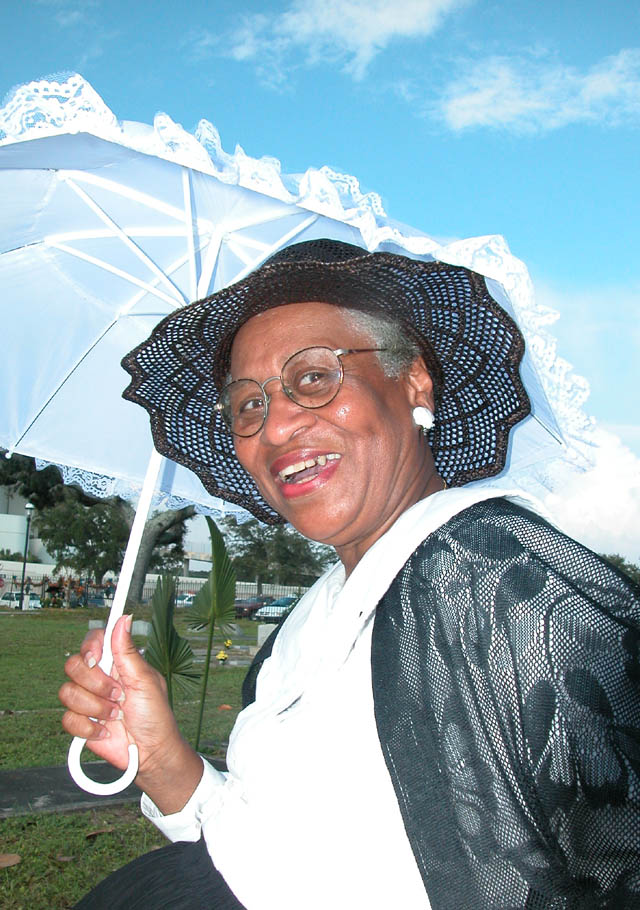
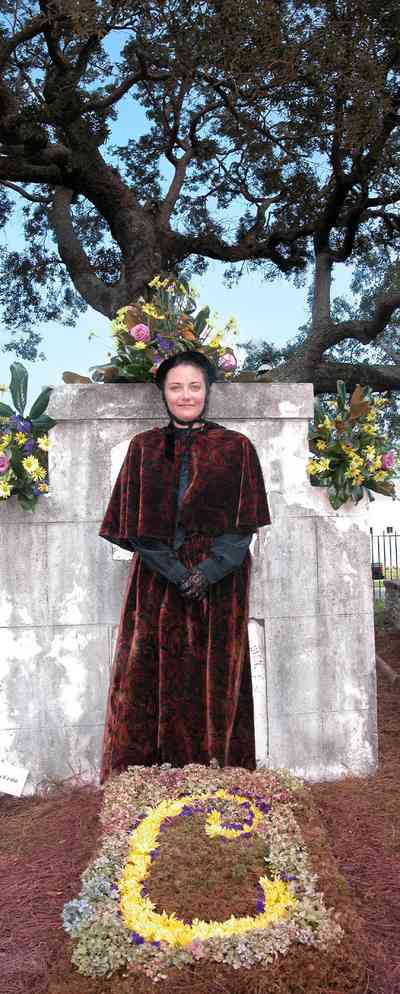 Ms. Dolores Mary Charbonier (1855 - 1939) is portrayed by Jennifer Batchelder. Dolores ran the family estate after the deaths of her father and brother, and left an estate of $5,000 in gold to her sister, Pauline, upon her death. Pauline was left at the alter by a sailor and never married. The sisters lived together in their Pensacola home their entire lives until Dolores death in 1939. The family home still stands at 335 East Intendencia Street.
 -
-
-
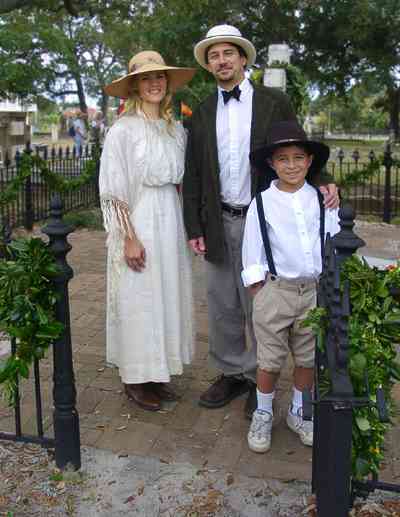
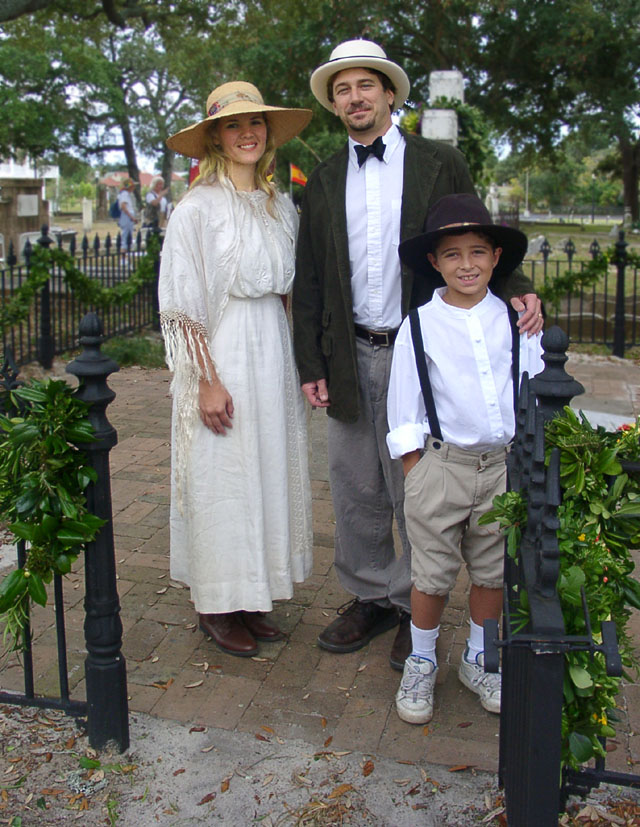
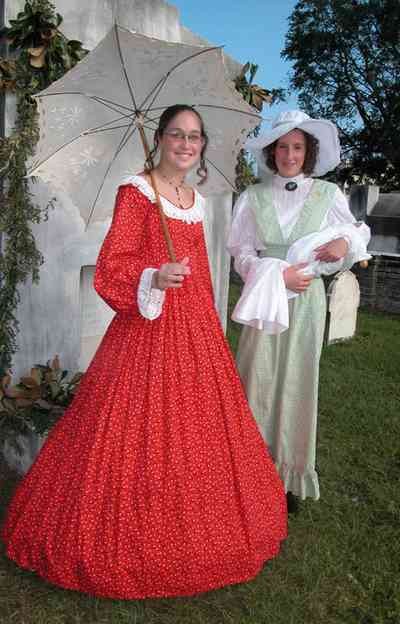 Miss Laurie Biggs portrays a member of the Gonzales family. She is holding a baby in the photo above. Celestino Gonzales (1797 - 1844), in the early part of his career, was in charge of building the section of road between Pensacola and Choctawhachie. He later worked at the Pensacola Navy Yard as a consulting engineer and served Pensacola as alderman in 1841. The Gonzales home once stood at 137 West Romana St, but has since been torn down. Another Gonales home was relocated to the Historic District in 1979. It is located at 226 East Intendencia Street.
 -
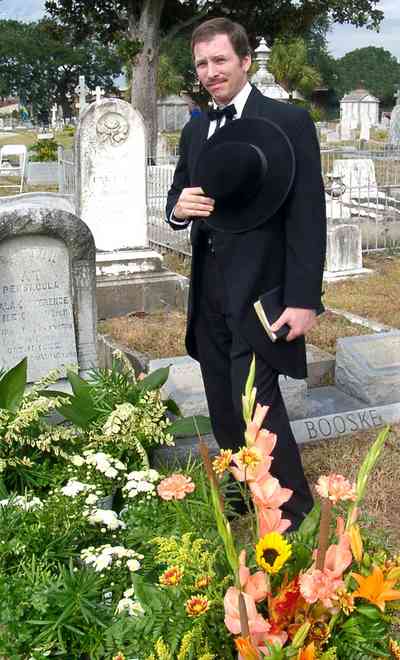
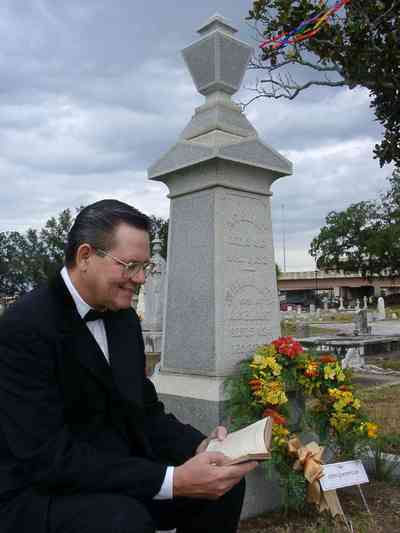
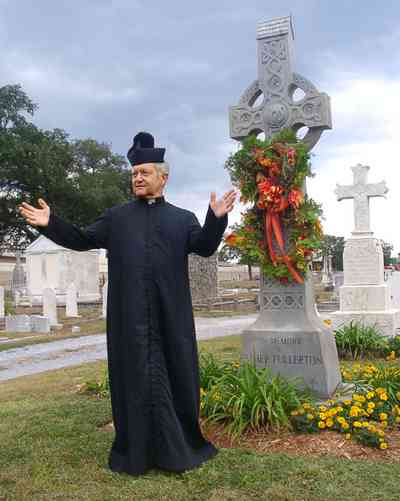
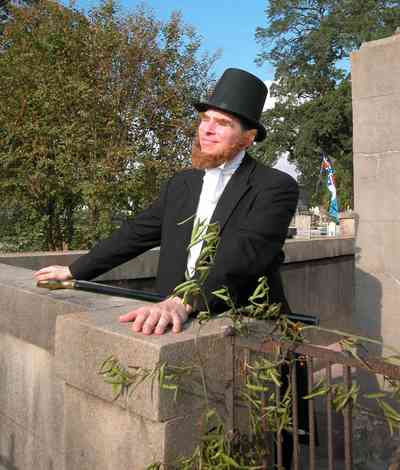 Wesley Odom portrays Don Francisco Moreno (1793 - 1883). He became known as the "Father of Pensacola" as a result of the 27 children, 75 grandchildren and 127 great grandchildren he fathered. He served as the Spanish representative of Pensacola for fifty-five years and is credited with building the city's first hotel.
 -
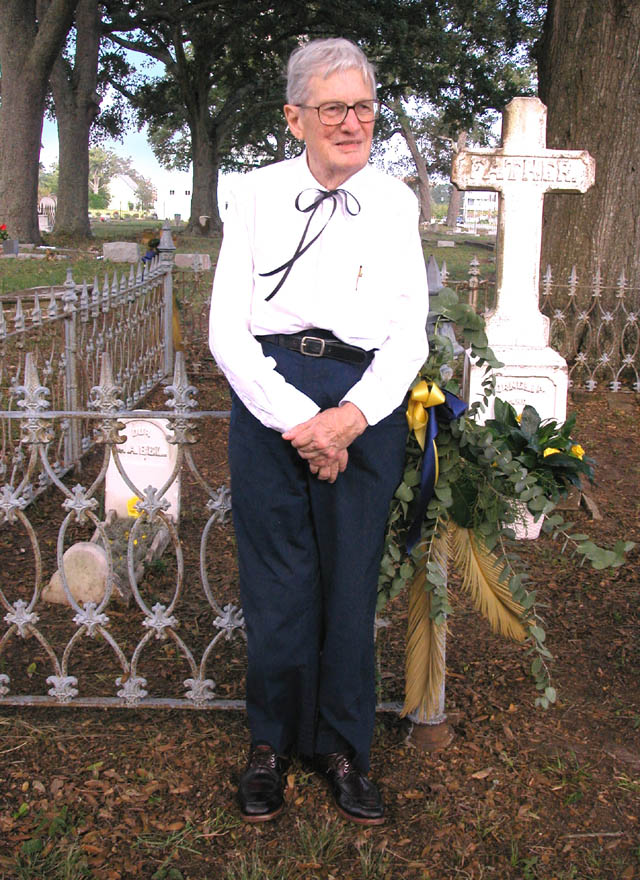
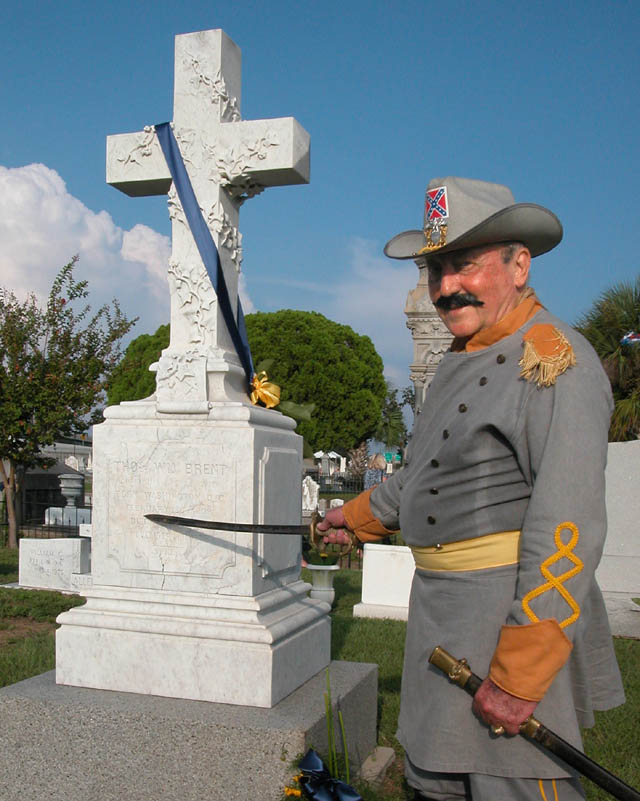
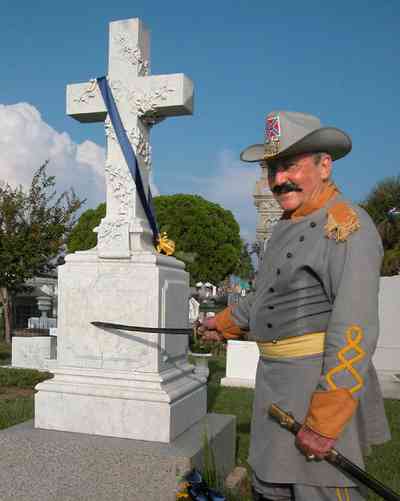 Lawrence Grimes portrays Thomas William Brent (1808 - 1875). He served as Commander in the US Navy and as Commander of the Confederate States of America. He saw action in the Mexican-American War and the Civil War. After settling in Pensacola, Thomas fathered eleven children and worked in the city's fire and casulaty insurance business.
 -
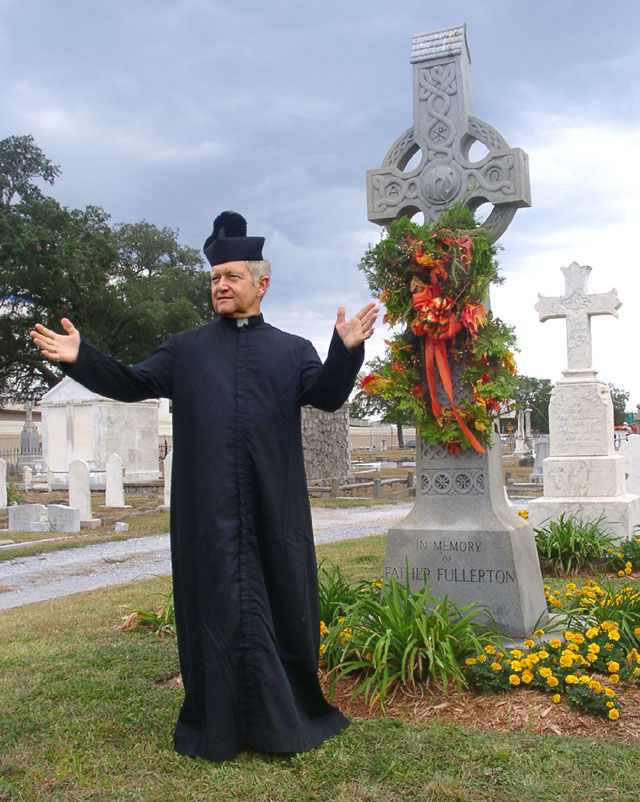
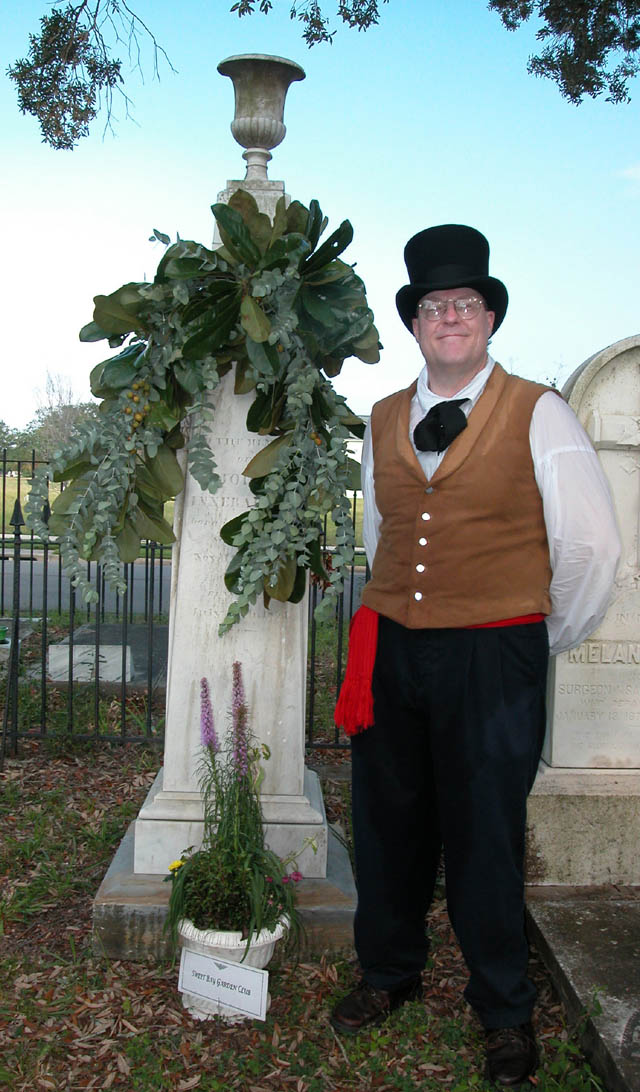
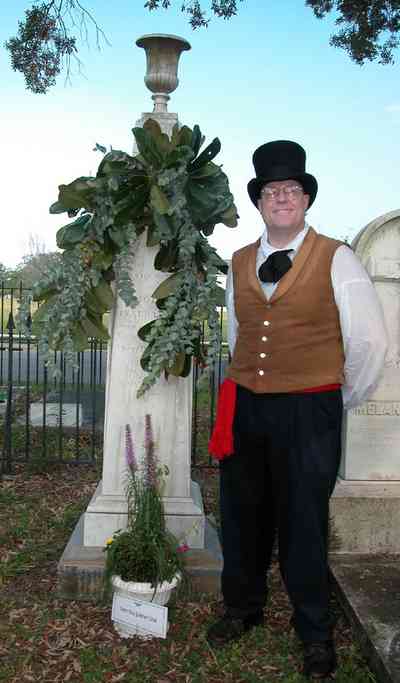 John Innerarity (1783 - 1854) is portrayed by Bill Thompson. Scottish born Innerarity became a partner in the Panton Leslie Trading Company early on and aided in the company in lucrative trade with the Creek Indian Nation. He became Director in 1817, and maintained the successful business until the 1840s. He was also involved in the beginnings of Floridatown, one of Pensacola's earliest surrounding areas.
 -




What's Nearby?
 Pensacola: Seville Historic District: 99 South Alcaniz St (755 feet)
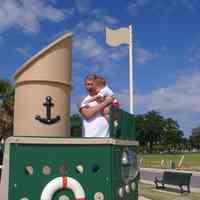 Aragon: Childrens Playground (822 feet)
 Pensacola: Downtown: Brown, Thornton, Pacenta And Company P.A. (876 feet)
 Aragon: 557 Aragon Street (925 feet)
 Pensacola: Seville Historic District: 433 East Romana St (937 feet)
 Pensacola: Civic Center (945 feet)
 Pensacola: Downtown: Peoples First Bank (951 feet)
 Pensacola: Seville Historic District: 525 East Romana Street (1024 feet)
 Pensacola: Seville Historic District: 537 East Romana Street (1046 feet)
 Pensacola: Seville Historic District: AuBre International Day Spa (1048 feet)