-
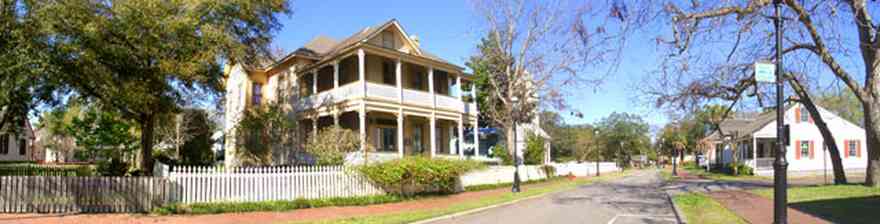
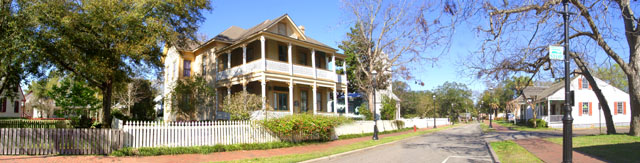
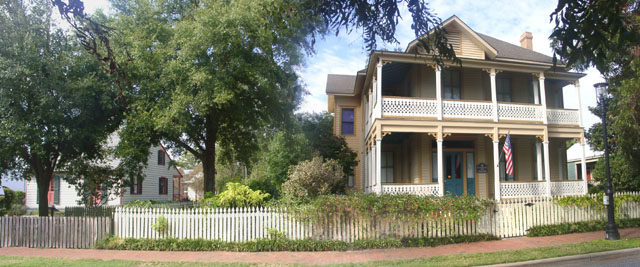
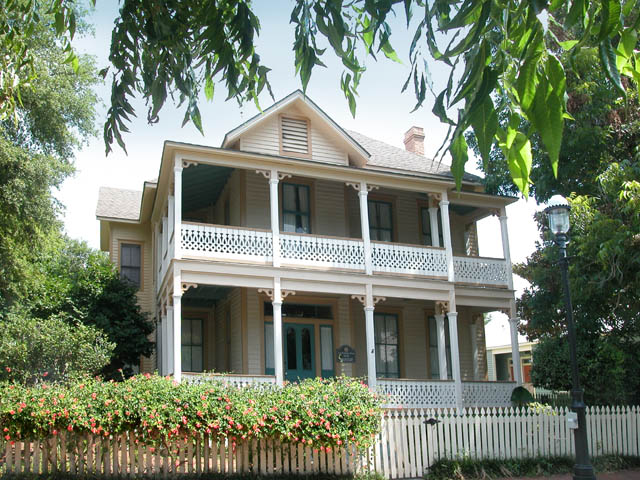
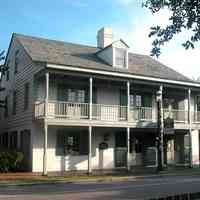
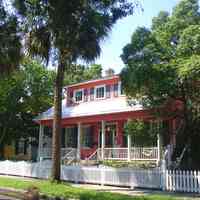
The Lear House was built in 1888. It is located on the north side of Zaragoza Street in the Pensacola Historic Village which is a complex of museums and historic houses in downtown Pensacola. For further information refer to the website at www.historic penscola.org The program is administrated by the State of Florida.
-
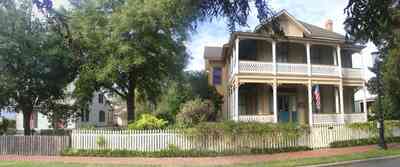
The Lear House is a museum in the Historic Village. The interior is furnished in the style of the 1920's.
-
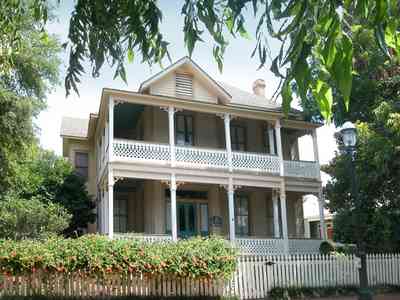
The Lear House is a central element to the development of Historic Pensacola Village. Since 1988, a series of grant projects have prepared the structure for its role as a museum house. The house museum theme completes a historical timeline in the Historic Pensacola Village that is launched from the exhibits of the Colonial Archaeological Trail. The time period represented at the Lear House provides a contrast to the Victorian theme displayed at the nearby Dorr House.
-
-
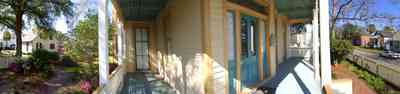
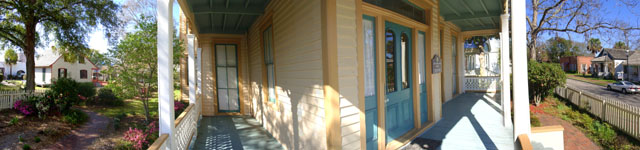
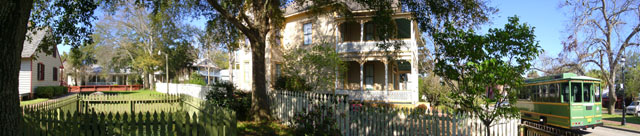
A view from the west side of the first floor front porch. Zaragoza Street can be seen on the right and the interior yard of the home is on the left. The Lavalle Cottage Museum is in the far left corner of the site. There is a common kitchen garden and courtyard between the buildings.
-
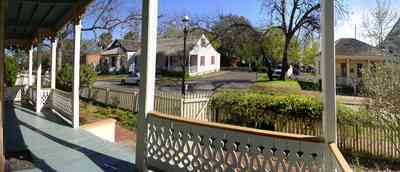
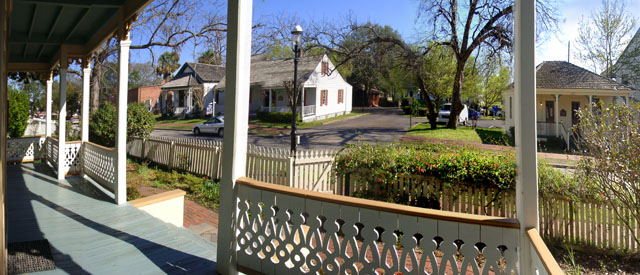
From the front porch facing south, the Weaver's Cottage can be seen to the right. The entrance of the parking lot that services the complex is left of the Weaver's Cottage. Twenty-five vehicles can be parking alongside and behind the cottage.
-
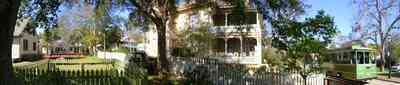
West side view of the Lear House. The Lavalle Cottage is on the left of the frame. The Zaragoza Street trolley can be seen on the far right
-
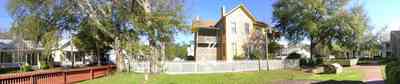
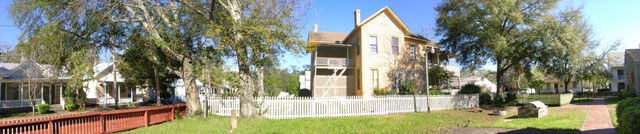
A west view of the Lear House. Church Street is located to the north. The historic property encompasses the entire block. In the foreground one of the kitchen gardens and an outside oven can be seen. The Lavalle House is located on the right edge of the photograph.
-
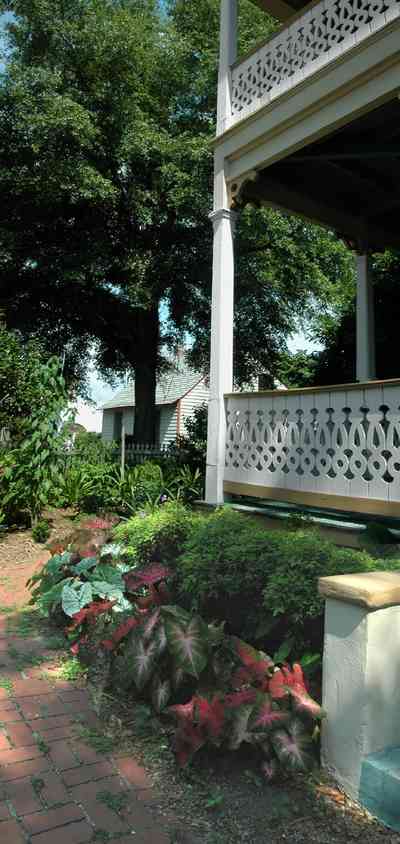
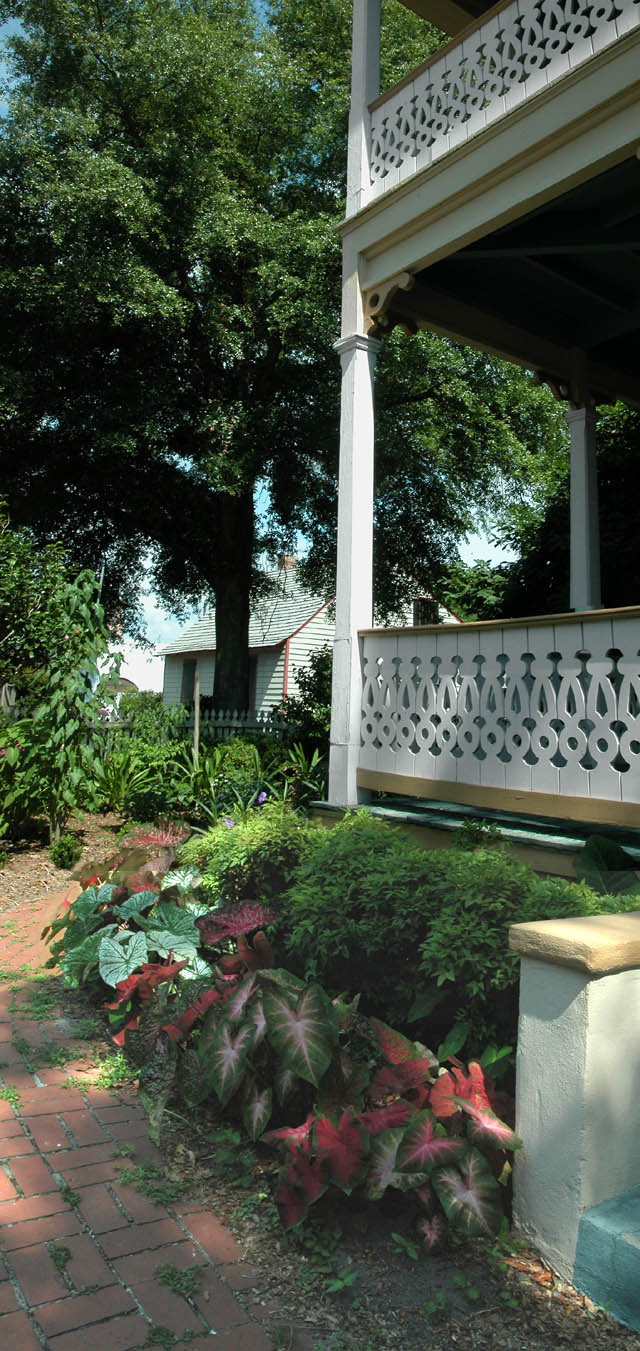
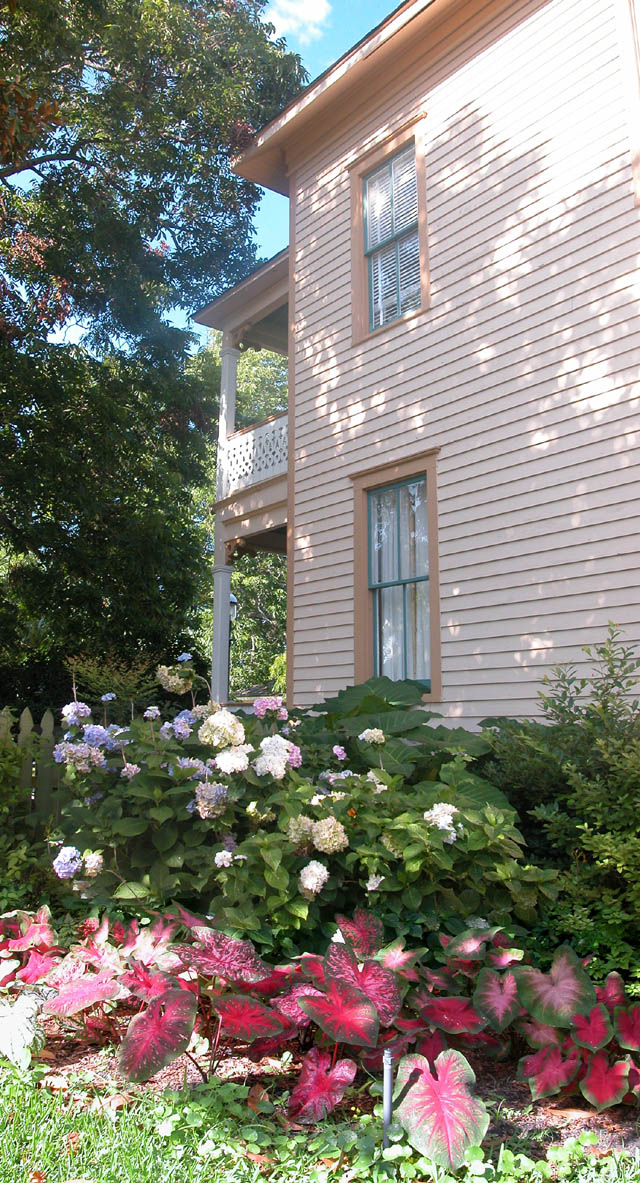
The gardens around the house are tended by the Escambia County Master Gardeners. A bed of caladiums wrap around the west side of the house.
-
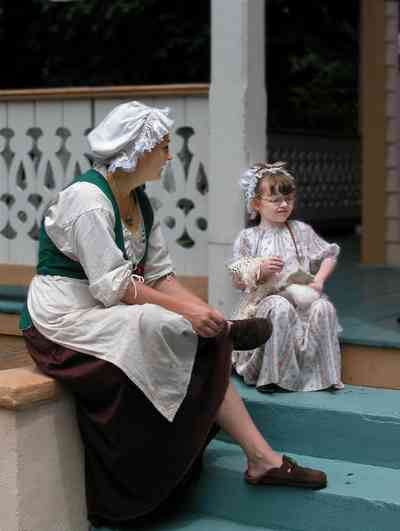
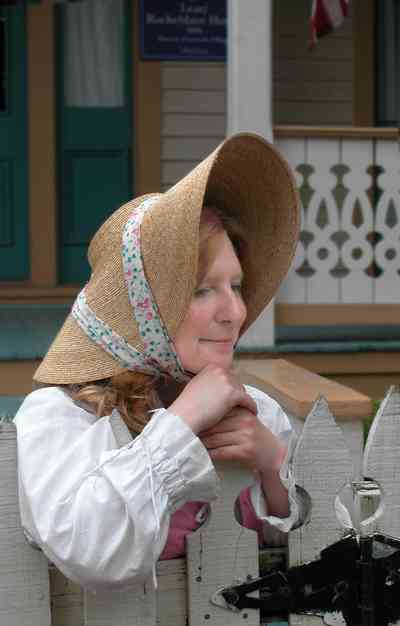
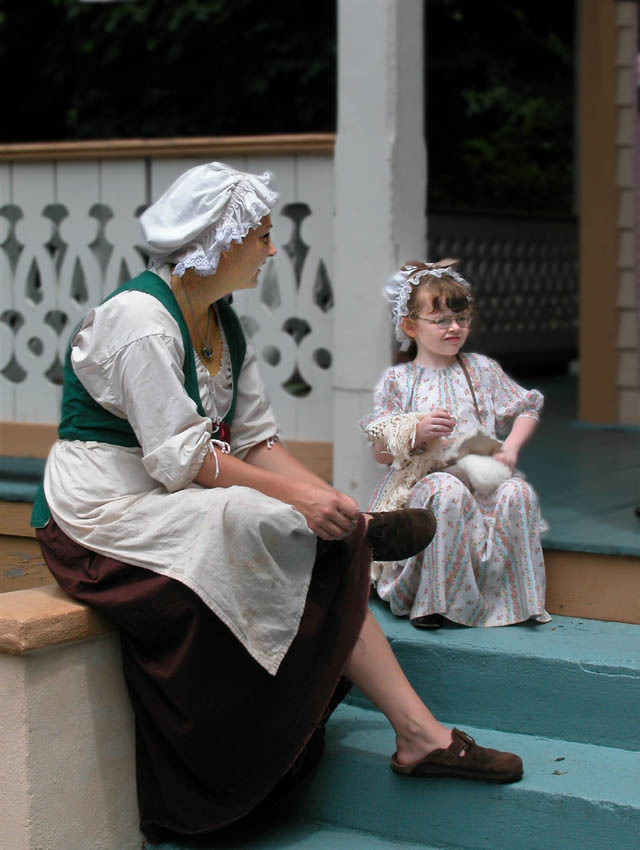
Colonial re-enactors give tours of the house during the yearly open house at the village.
-
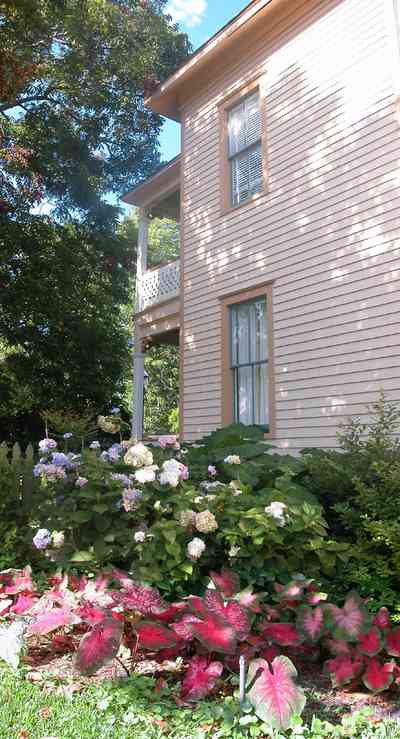
Old fashioned hydrangias add a nostalgic note to the gardening layout on the east sie of the home.
-
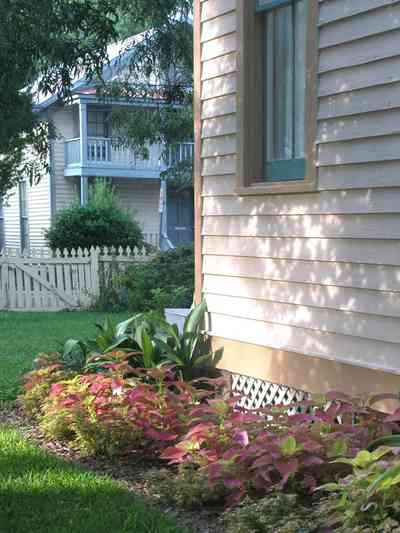
The old Episcopal Parish schoolhouse on Church Street can be seen from the northwest corner of the house.
-
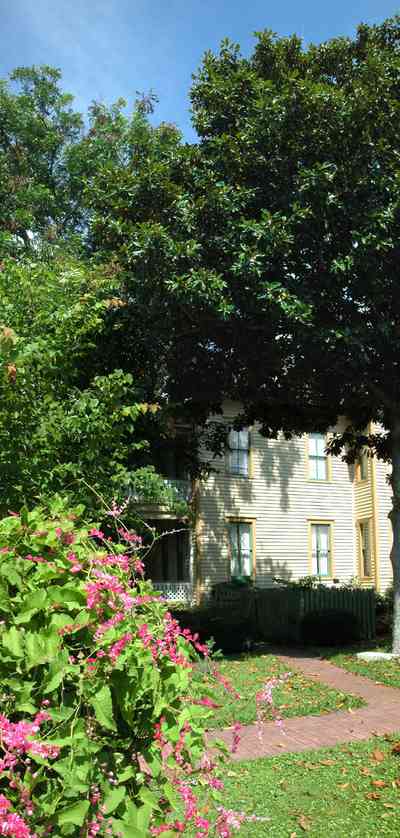
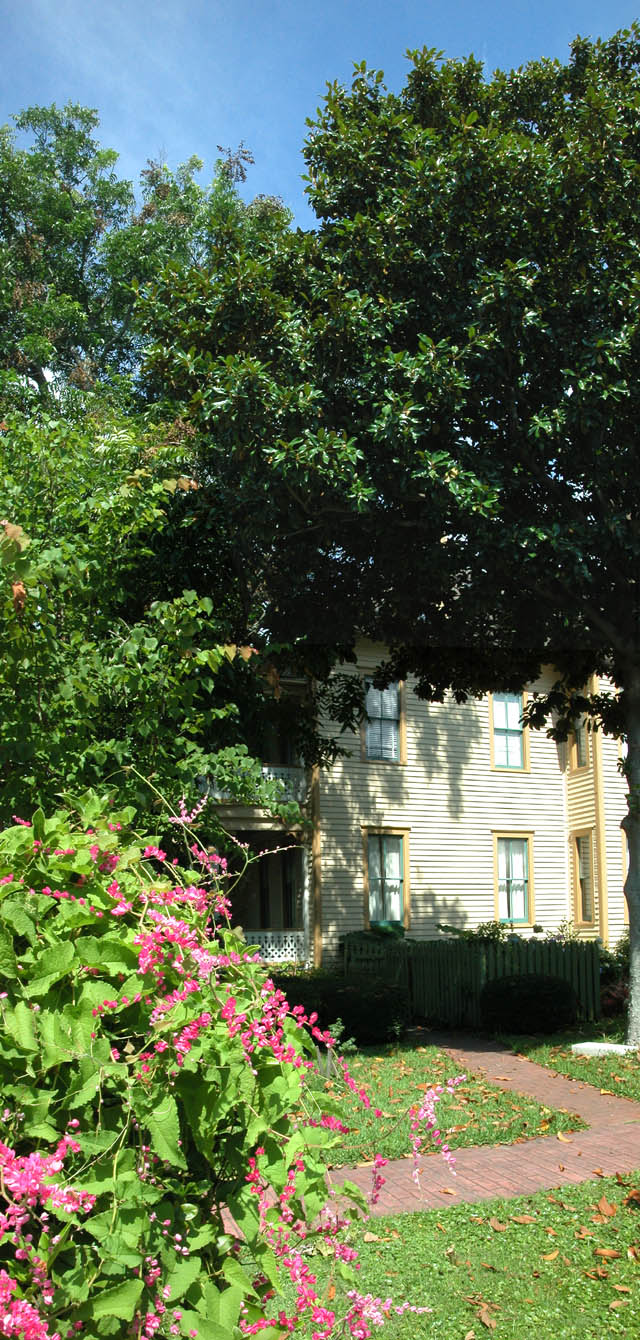
The picket fence along Zaragoza Street provides a place for blooming vines. The east side of the Lear House is in the background.
-
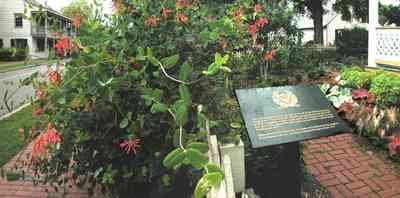
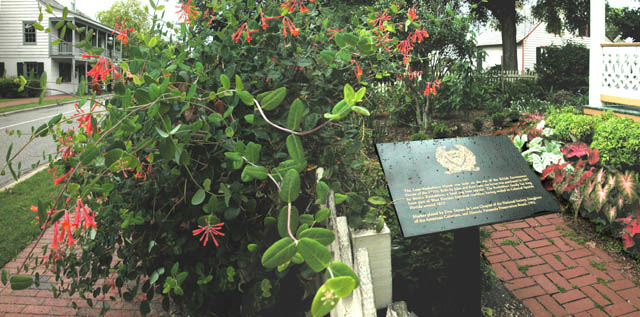
The Marker was placed by Don Tristan de Luna Chapter of the National Society, Daughters of the American Colonists, and Historic Pensacola Preservation Board, 1992. The text of the marker reads as follows: The Lear-Rocheblave House was built on the site of the British Government House of the 1770’s. Built by John and Kate Lear, the house was purchased in 1897 by Benito Rocheblave, a local tug boat captain. The Rocheblave family has long been part of West Florida’s historical tradition, having settled in Colonial Spanish Florida around 1817.
-
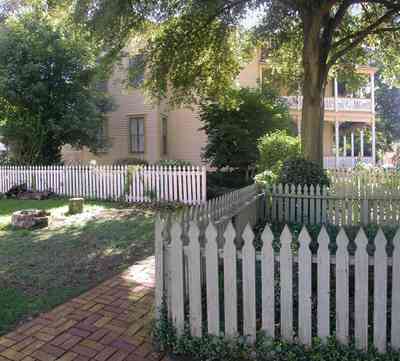
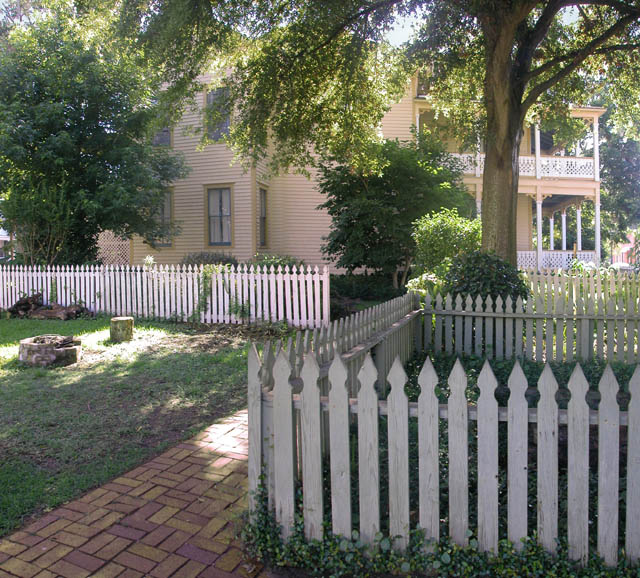
A picket fence marks the boundary between the Lear-Rocheblave House and the Julee Cottage. The picket fence in the foreground surrounds the old well.
-
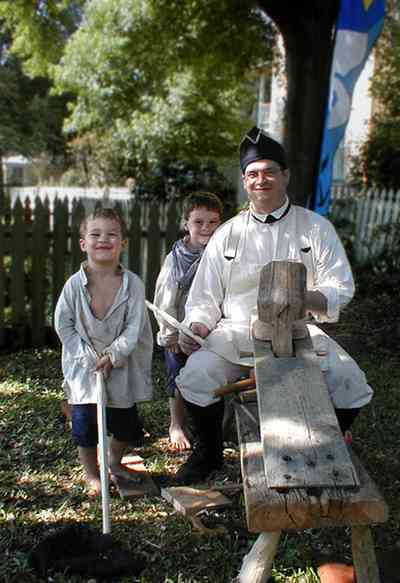
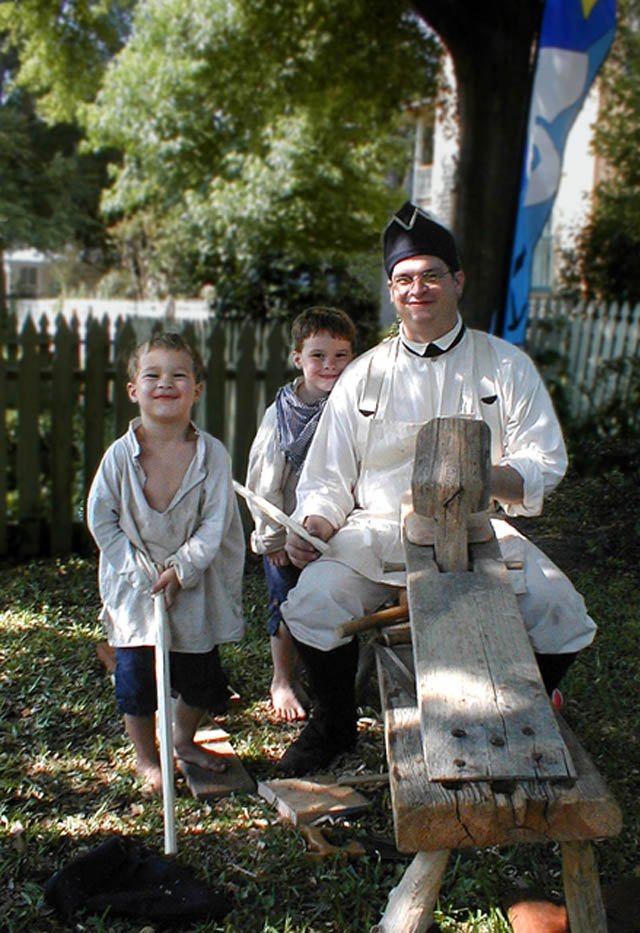
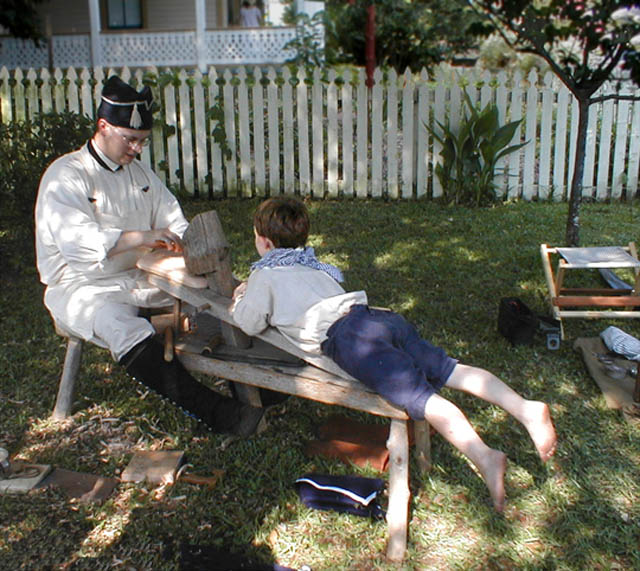
Tom Garret portrays a 1812 US Infantryman and woodworker. He is accompanied by his two sons who are also in period dress.
-
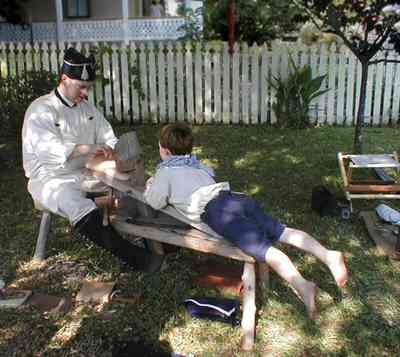
Tom and his sons are participating in the 11th Annual Summer Open House of the Historic Pensacola Village.
-
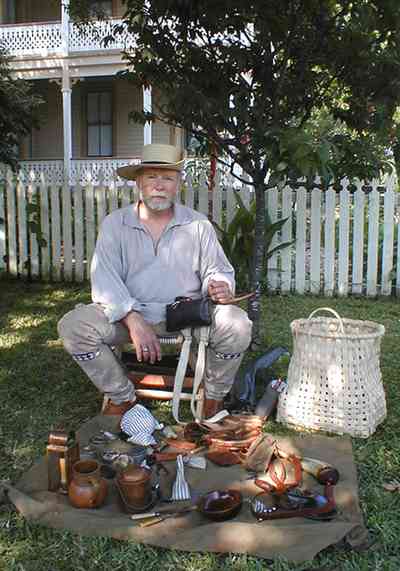
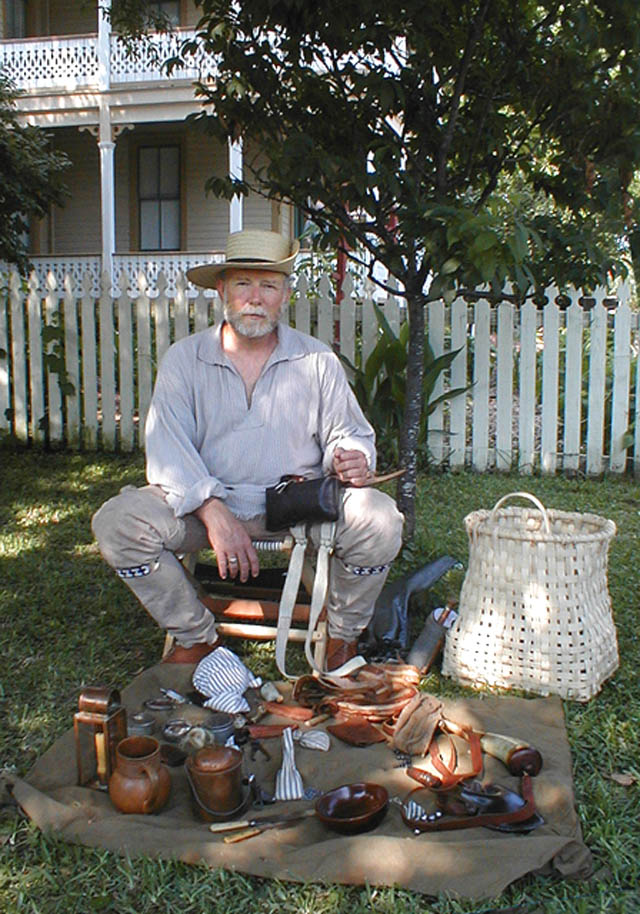
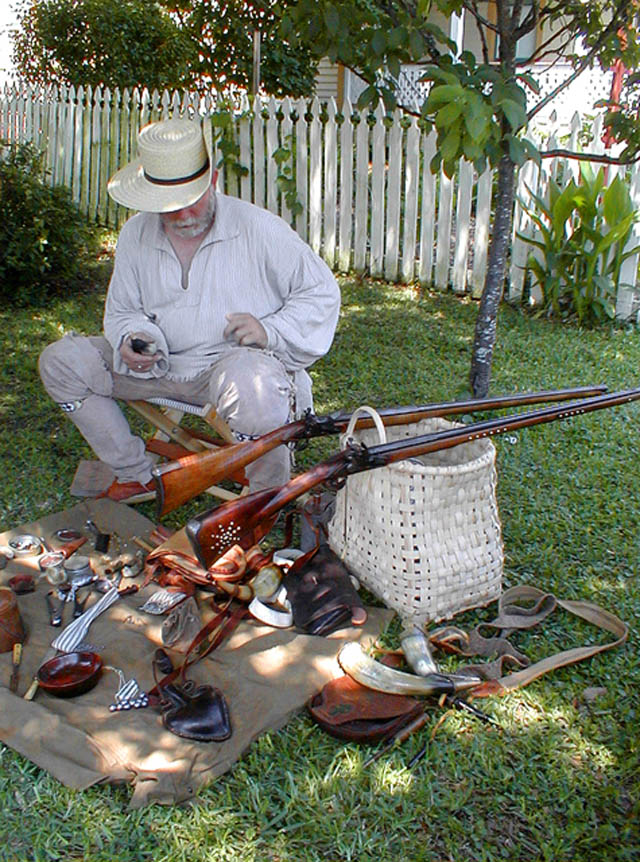
Eddie Rogers demonstrates the skills and materials used by an 1812 militiaman.
-
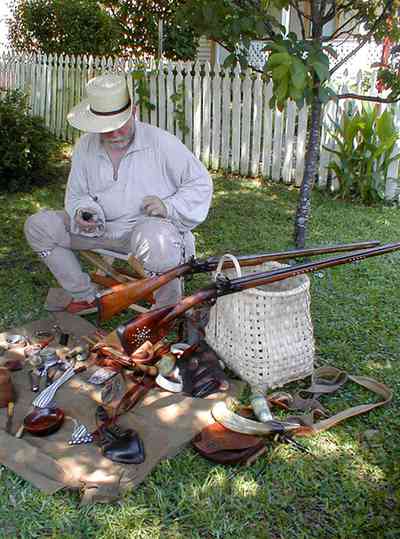
Mr. Rogers is a re-enactor from Fort Jackson, Alabama.
-
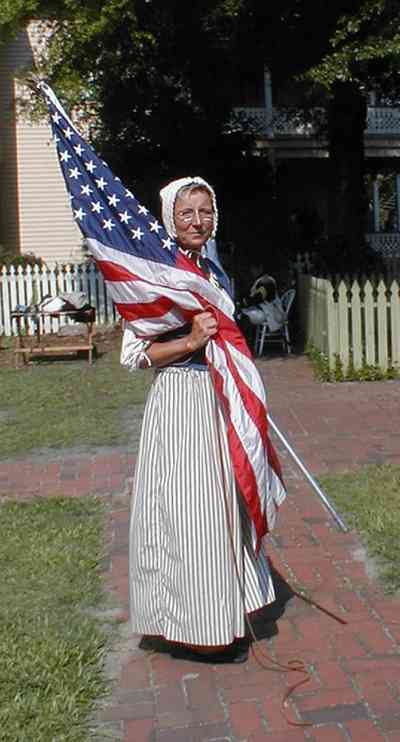
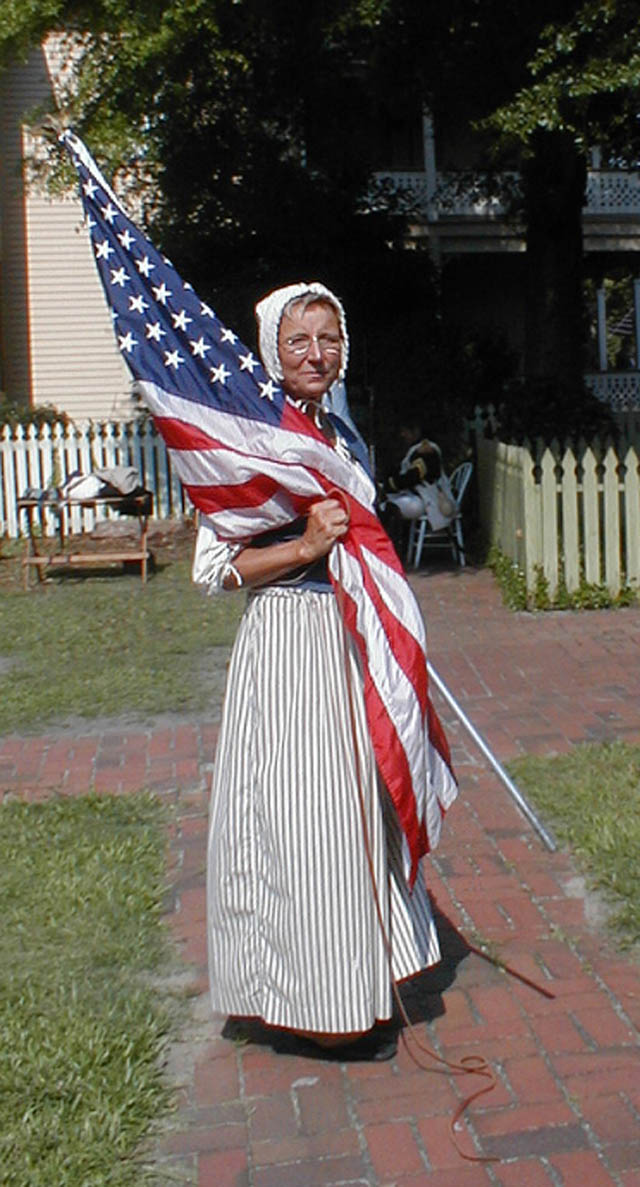
Gale Messerschmidt portrays a colonial lady. She is the volunteer coordinator of the Historic Pensacola Village.
-
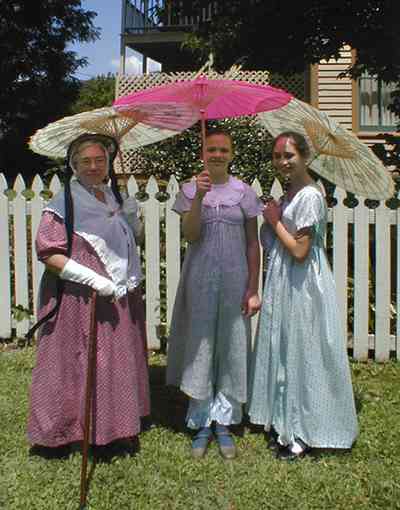
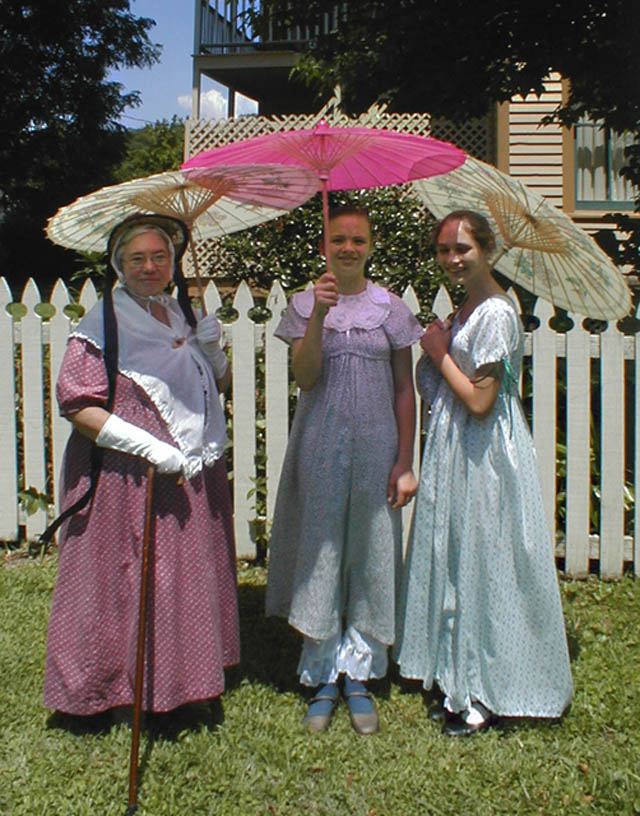
These colonial ladies are re-enactors from New Orleans.
-
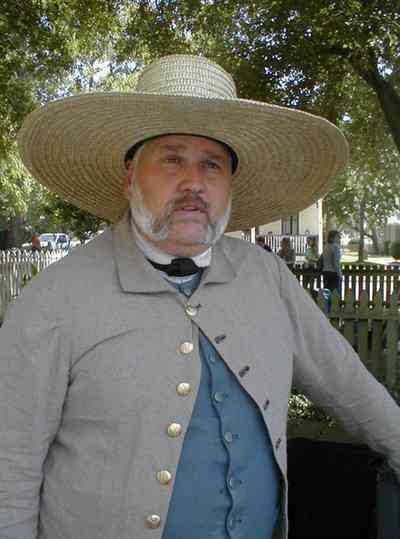
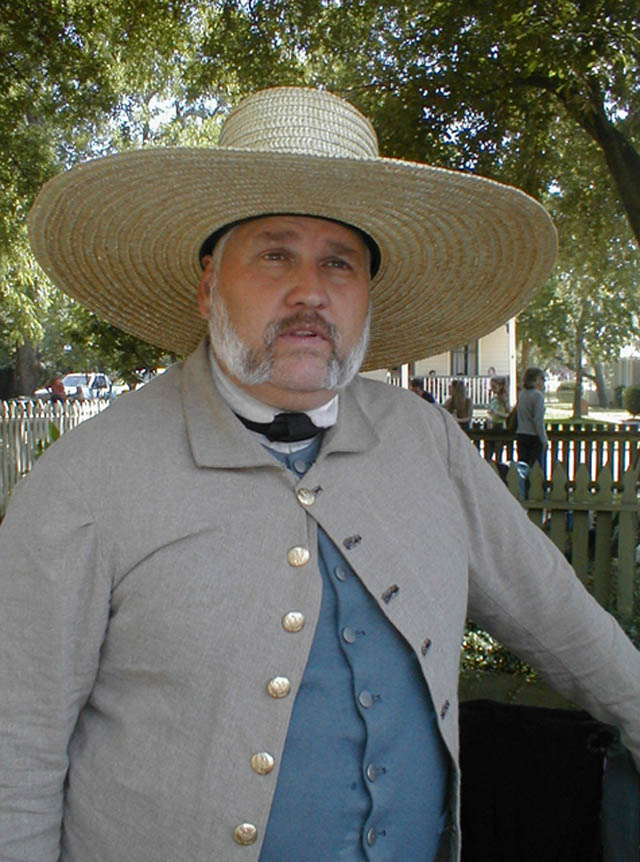
Dan Marshall portrays an 1830's soldier. He is part of a group of re-enactors from Fort Morgan, Alabama.
 One Tank of Gas


 Pensacola: Historic Pensacola Village: Tivioli House (74 feet)
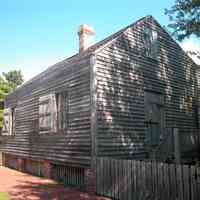 Pensacola: Historic Pensacola Village: Julee Cottage (98 feet)
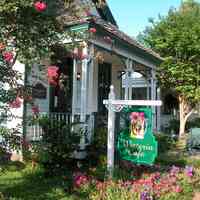 Pensacola: Historic Pensacola Village: The Moreno Cottage (116 feet)
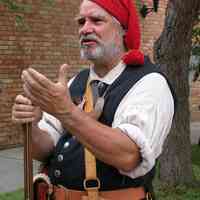 Pensacola: Historic Pensacola Village: Museum Of Commerce (148 feet)
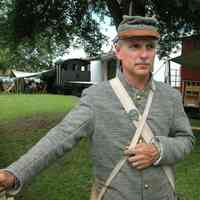 Pensacola: Historic Pensacola Village: Museum Of Industry (184 feet)
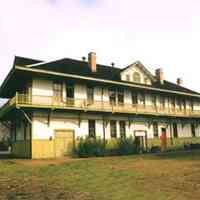 Pensacola: Seville Historic District: L And N Terminal (191 feet)
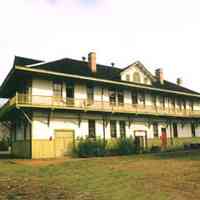 Pensacola: Historic Pensacola Village: L N Terminal (203 feet)
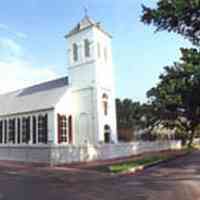 Pensacola: Historic Pensacola Village: Old Christ Church (230 feet)
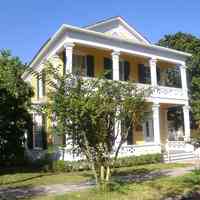 Pensacola: Historic Pensacola Village: Dorr House (320 feet)
 Pensacola: Seville Historic District: 305 South Adams Street (375 feet)