-
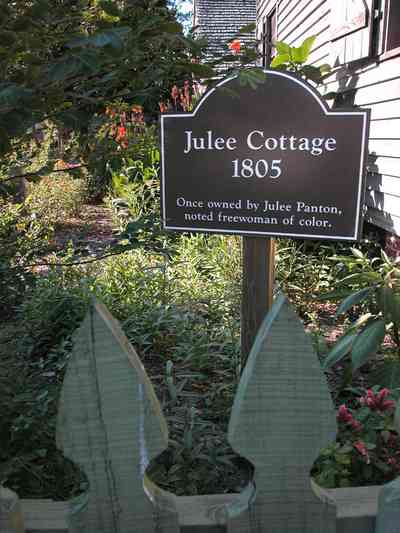
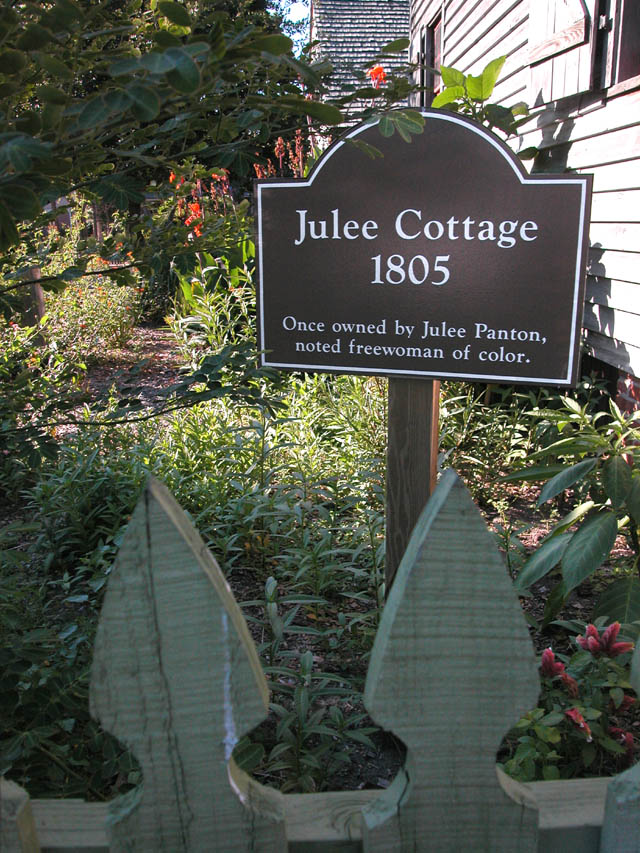
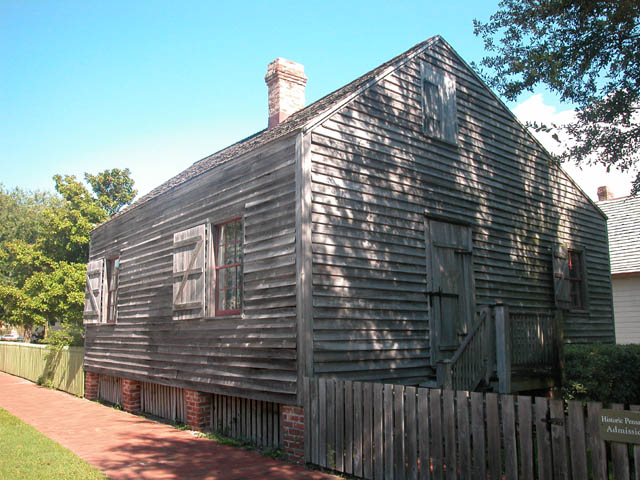
The historic marker can be seen from the sidewalk on Zaragoza Street. The cottage can be seen on the left. In 1804, Francis Heindenberg received from the Spanish governor a lot in the city of Pensacola. Four years later he sold the property to a free black woman named Julee. The sale included a “low wooden house which I have built at my own expense”. Both house and lot sold for three hundred dollars. The house was probably built between 1804 and 1808.
-
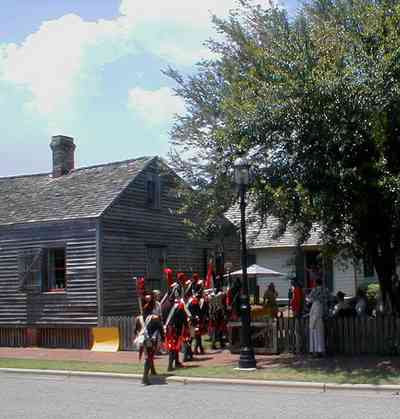
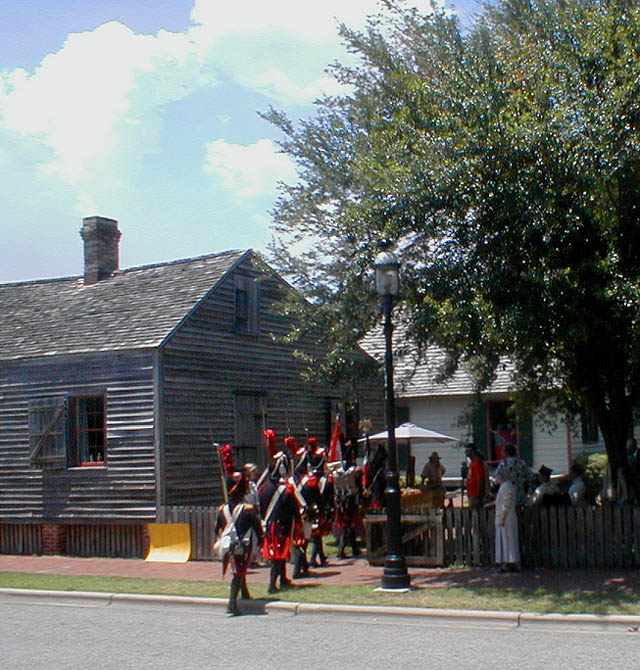
The Napoleanic Imperial Guard enters the village compound during the annual Spring Re-enactment event at the Historic Pensacola Village. The Julee cottage can be seen on the left.
-
-
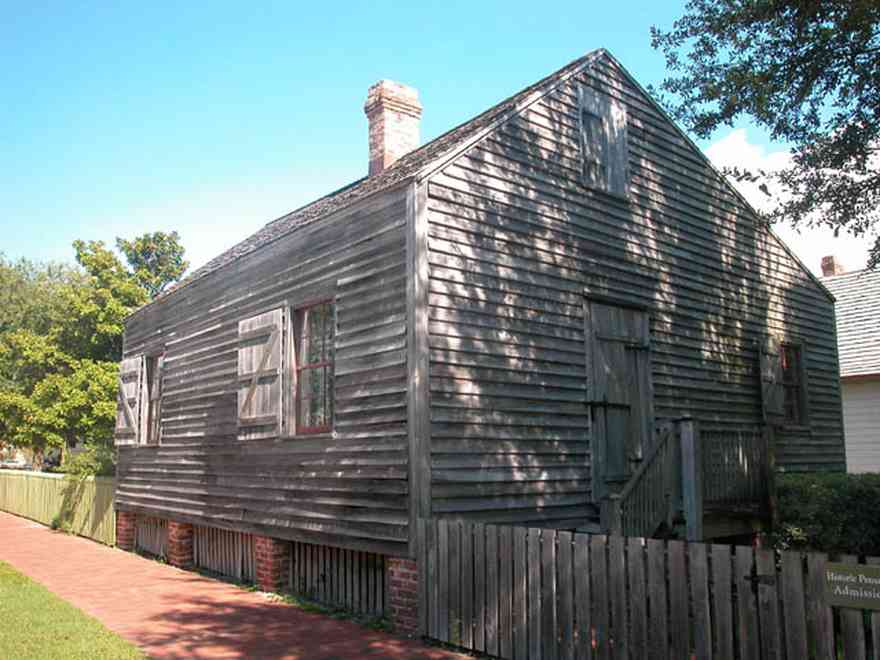
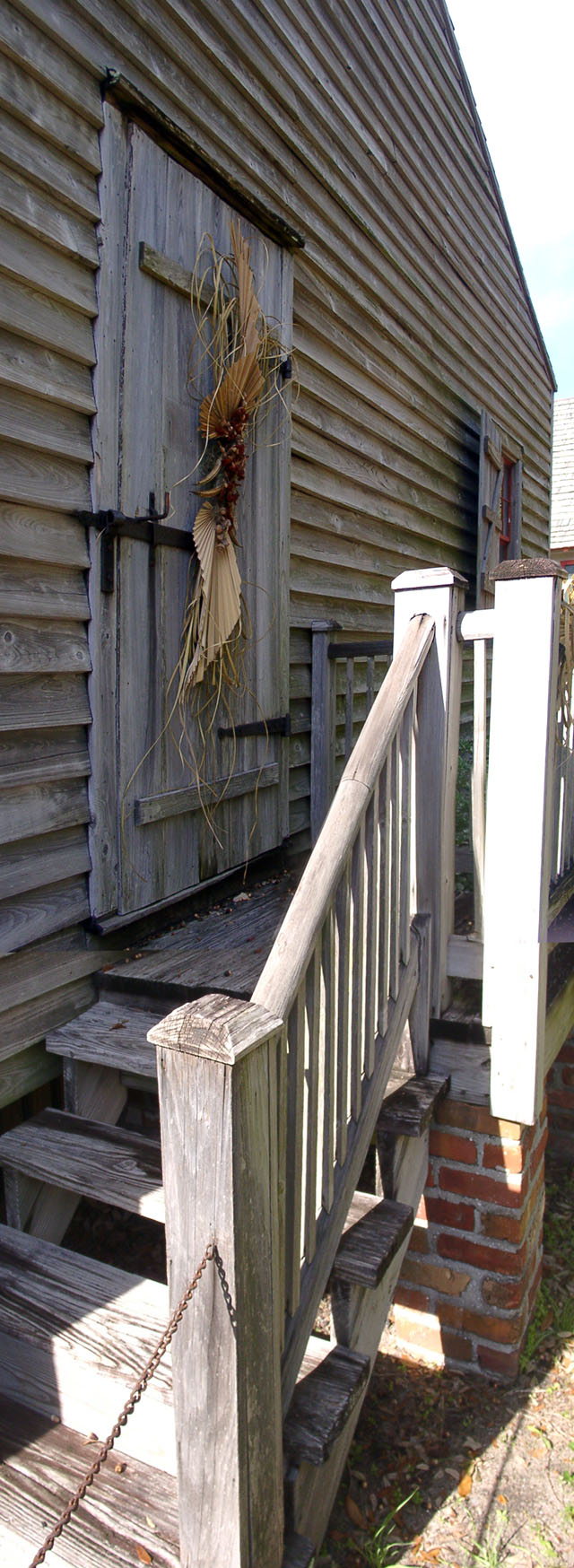
The roof is "salt box" style. The building was constructed with pegged framing.
-
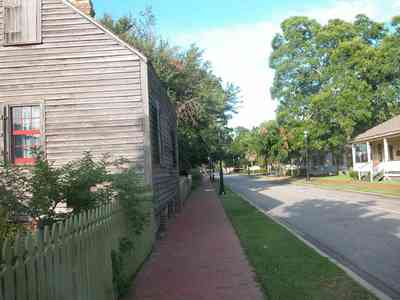
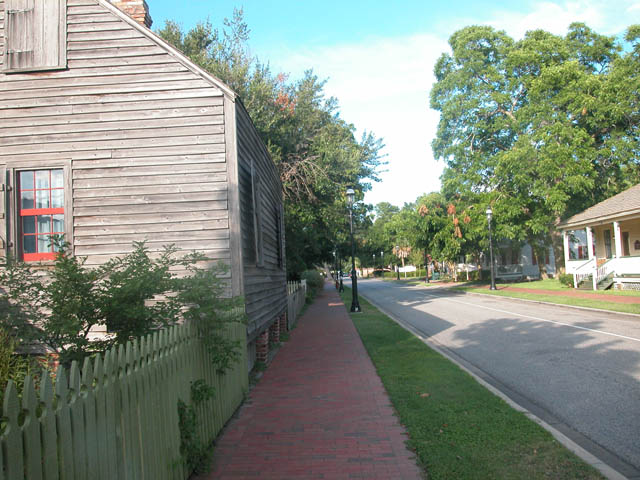
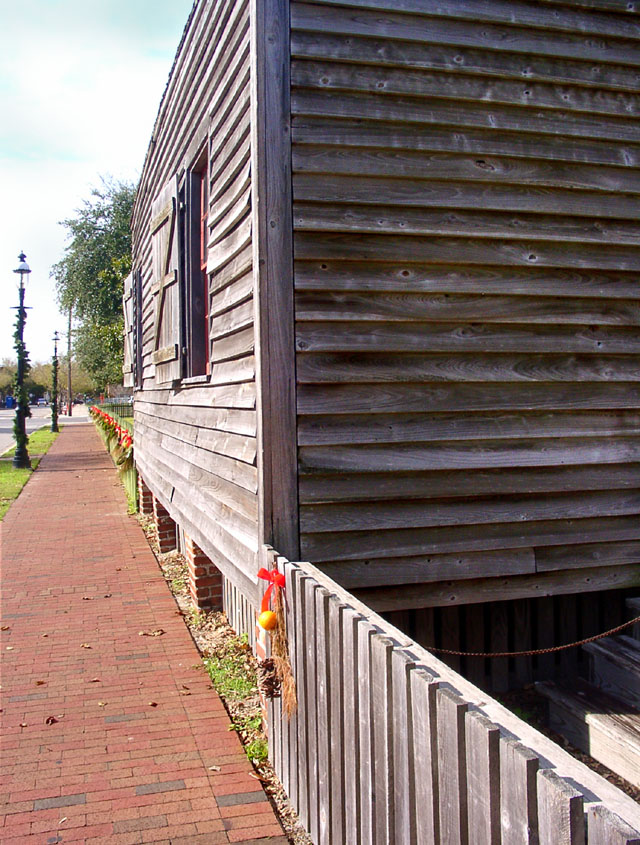
The Julee Cottage is on the north side of Zaragoza Street. The Weavers Cottage can be seen on the right. The cottage rests on brick piers, a typical building feature of early Gulf Coast homes. This slight elevation to the building helps provide air circulation.
-
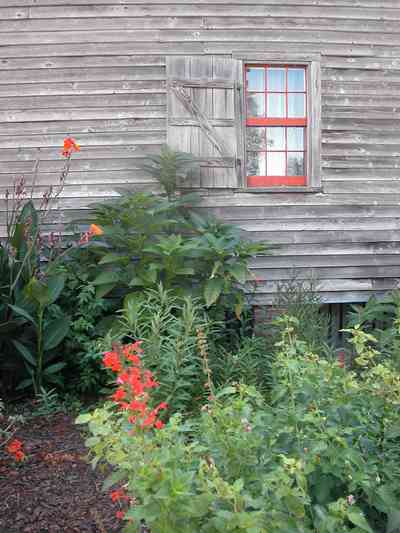
The house is a museum classroom dedicated to Julee Panton.
-
-
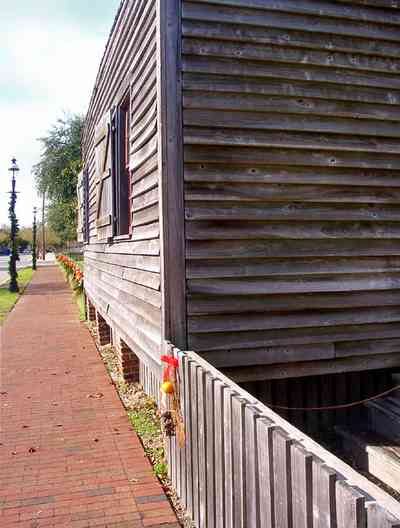
The side of the cottage faces Zaragoza Street. The house is a rare example of "to the sidewalk" buildings of Spanish origin found from New Orleans to Pensacola.
-
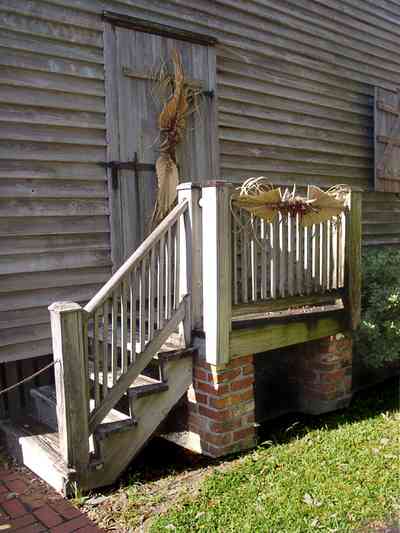
The cottage was moved to the village site as a demonstration of a typical dwelling of the period.
-
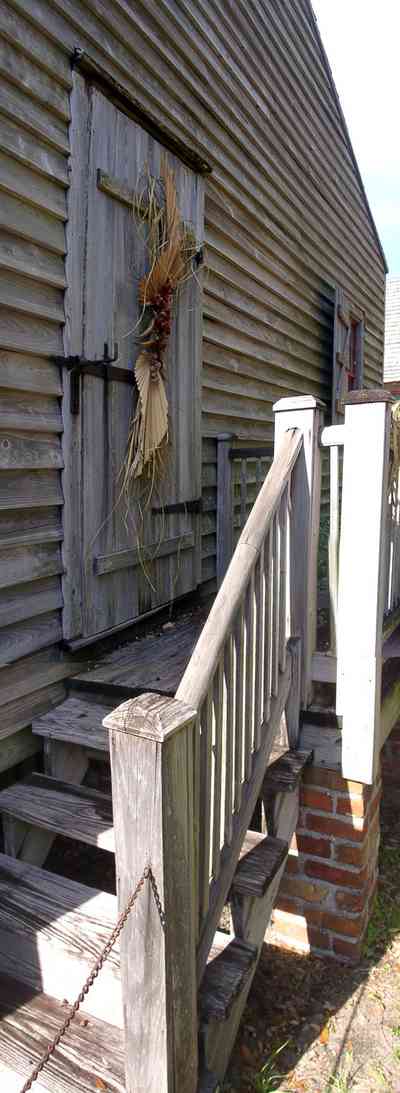
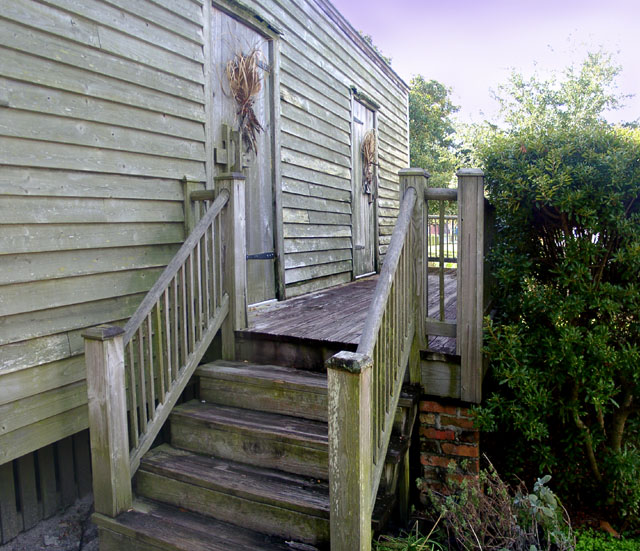
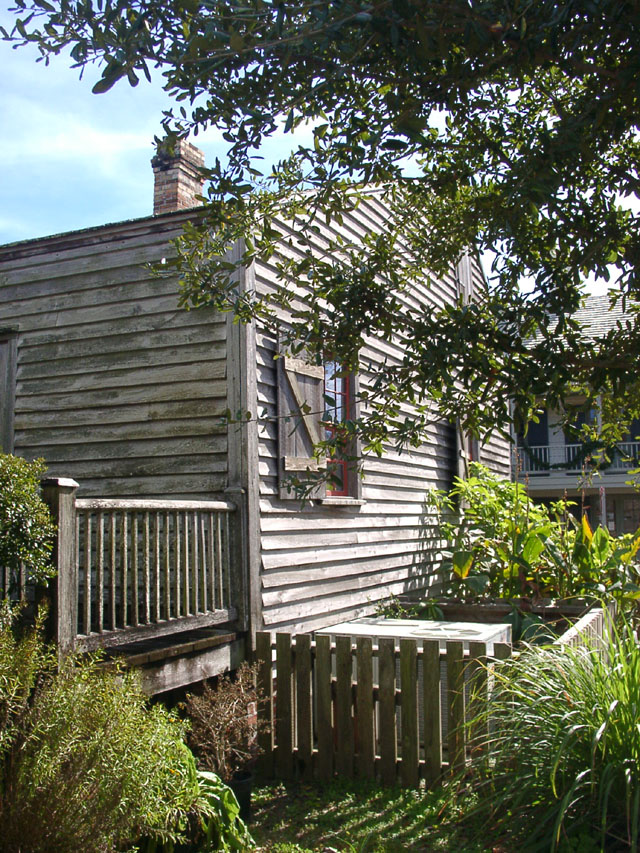
The back of the cottage faces the LaValle House.
-
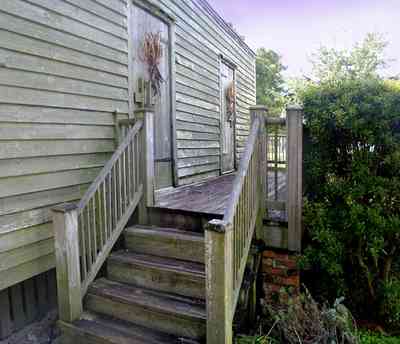
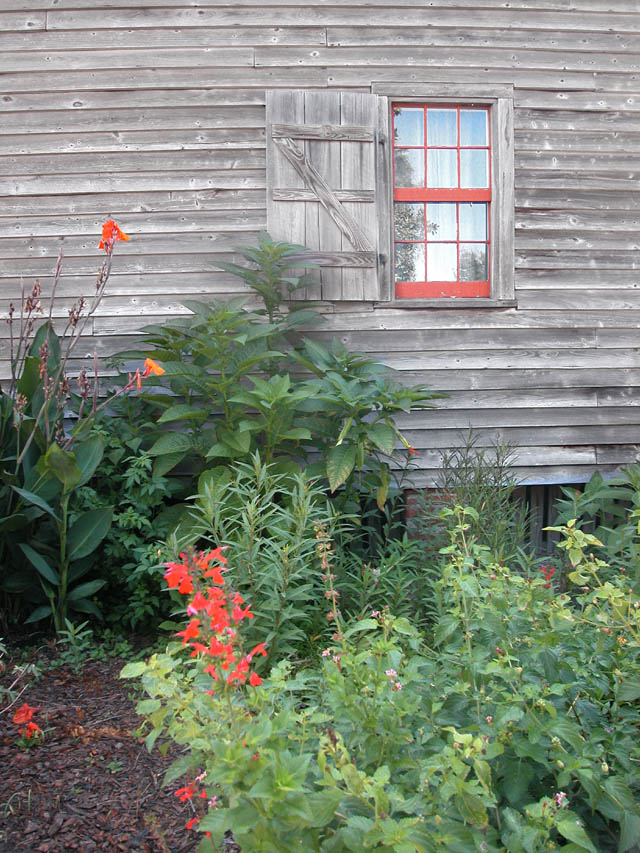
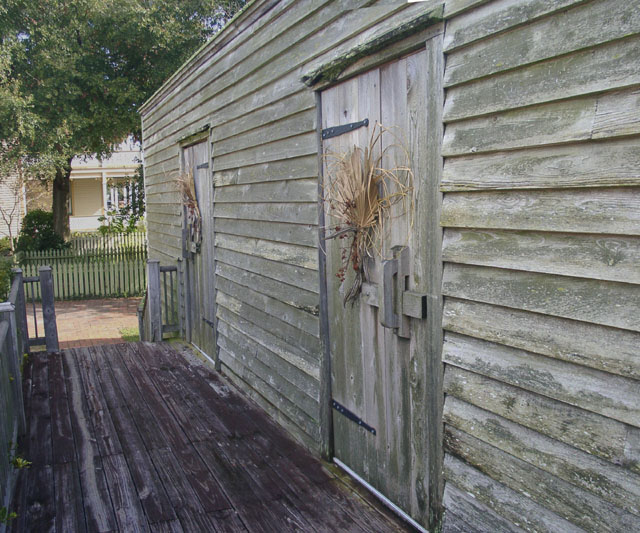
This is a north view of the cottage.
-
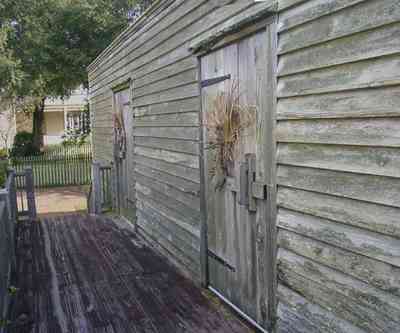
From the vantage point of the back porch of the cottage, the Lear House can be seen through the trees. The houses are separated by a picket fence.
-
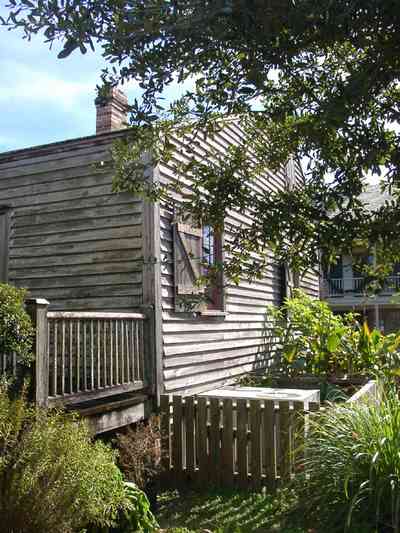
At the northwest corner of the cottage, the facade of the Tivoli House can be seen.
-
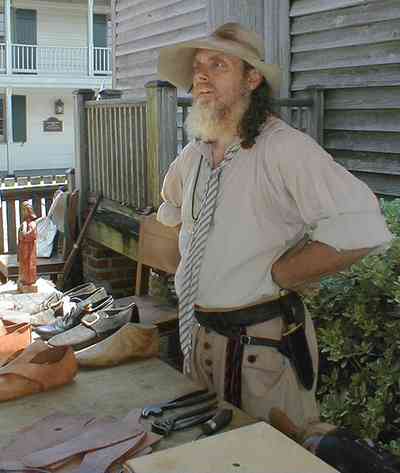
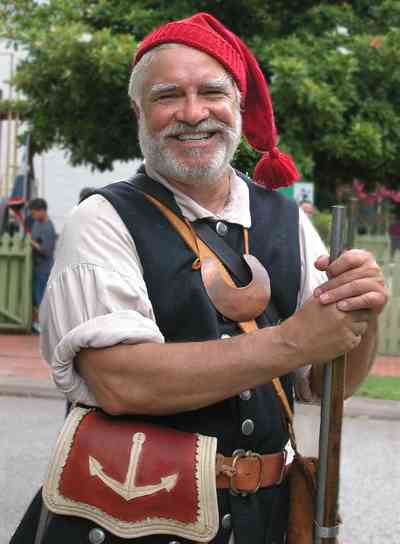
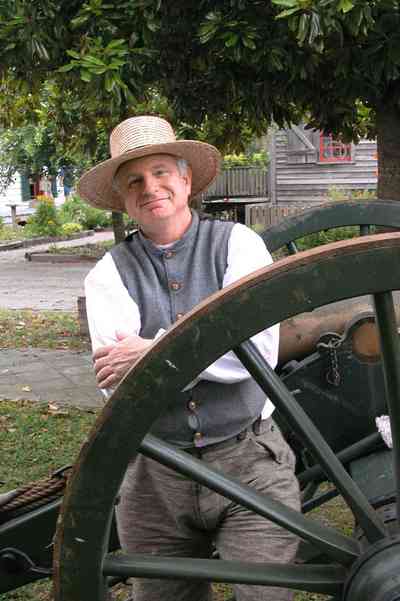
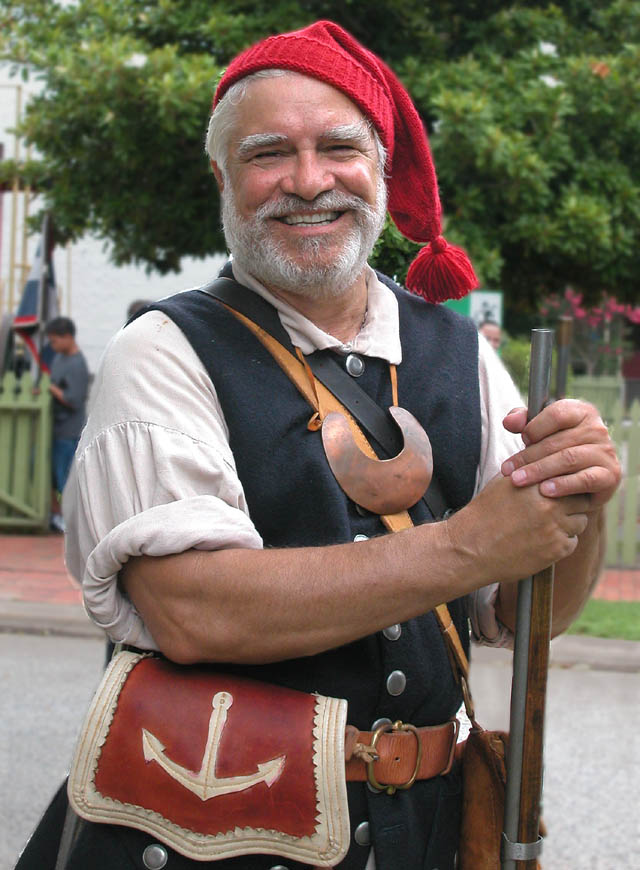
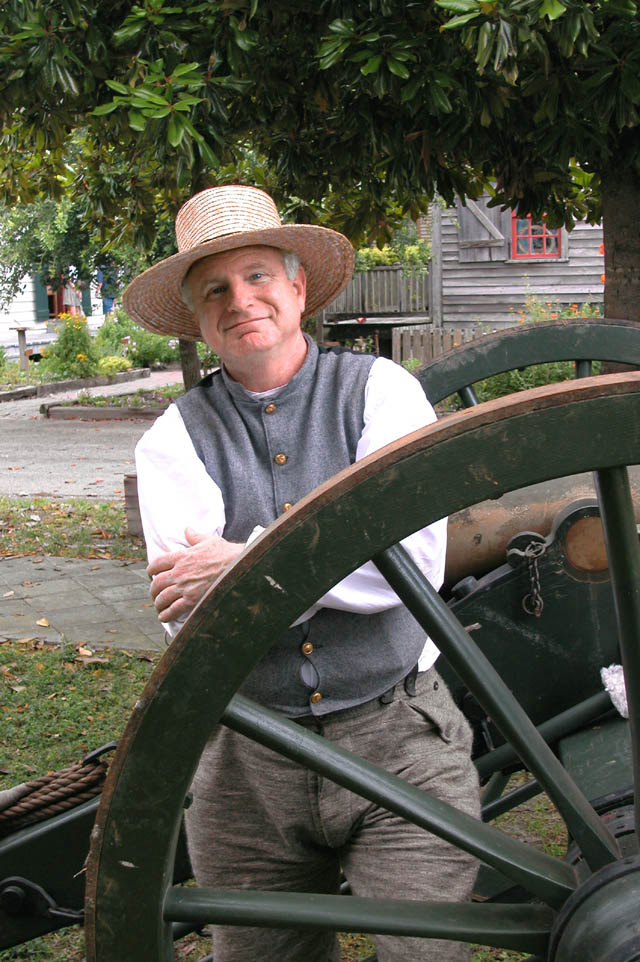
John Shaffer is a historical re-enactor. His is a cobbler by trade.
-
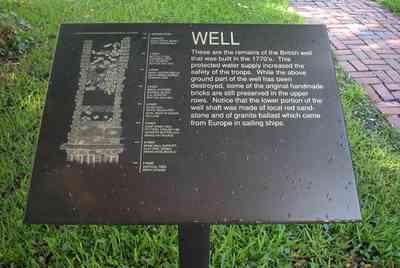
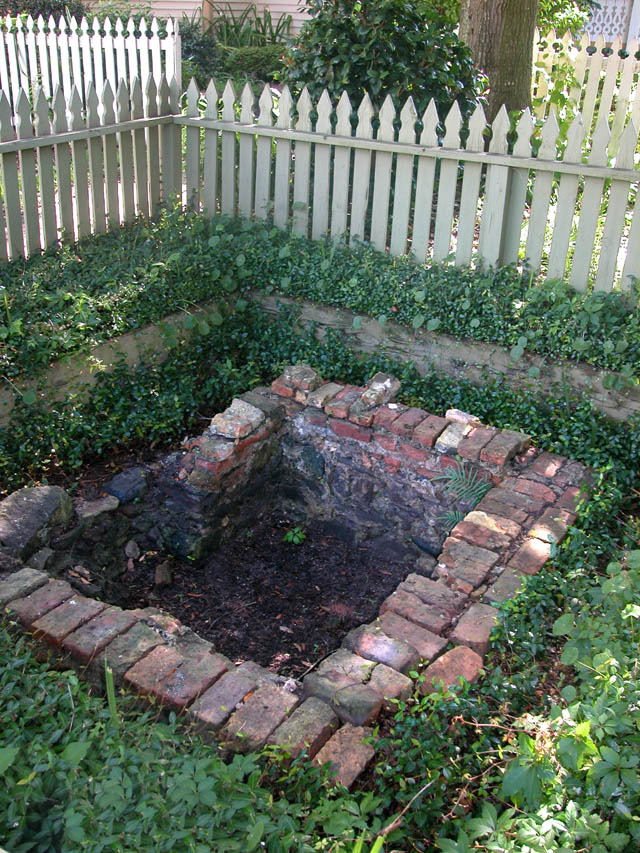
The text of the historical marker reads as follows: These are the remains of the British well that was built in the 1770’s. This protected water supply increased the safety of the troops. While the above ground part of the well has been destroyed, some of the original handmade bricks are still preserved in the upper rows. Notice that the lower portion of the well shaft was made of local red sandstone and of grantite ballast which came from Europe in sailing ships.
-
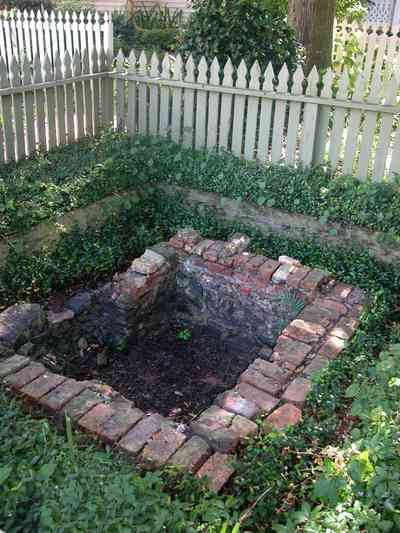
A picket fence surrounds the old well.
 One Tank of Gas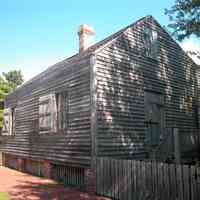



 Pensacola: Historic Pensacola Village: Tivioli House (24 feet)
 Pensacola: Historic Pensacola Village: Museum Of Commerce (49 feet)
 Pensacola: Historic Pensacola Village: Museum Of Industry (86 feet)
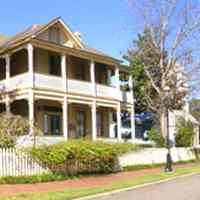 Pensacola: Historic Pensacola Village: Lear Rocheblave House (98 feet)
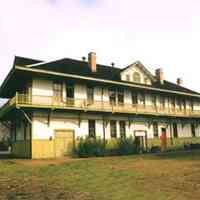 Pensacola: Seville Historic District: L And N Terminal (147 feet)
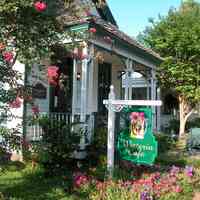 Pensacola: Historic Pensacola Village: The Moreno Cottage (213 feet)
 Pensacola: Historic Pensacola Village: L N Terminal (246 feet)
 Pensacola: Historic Pensacola Village: Old Christ Church (327 feet)
 Pensacola: Seville Historic District: 210 East Government Street (394 feet)
 Pensacola: Historic Pensacola Village: Dorr House (397 feet)