 One Tank of Gas
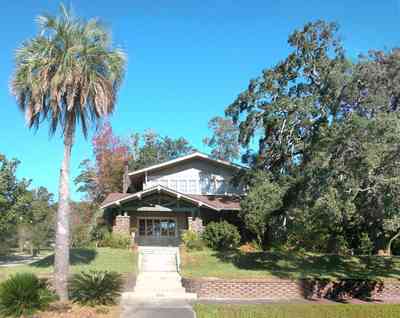
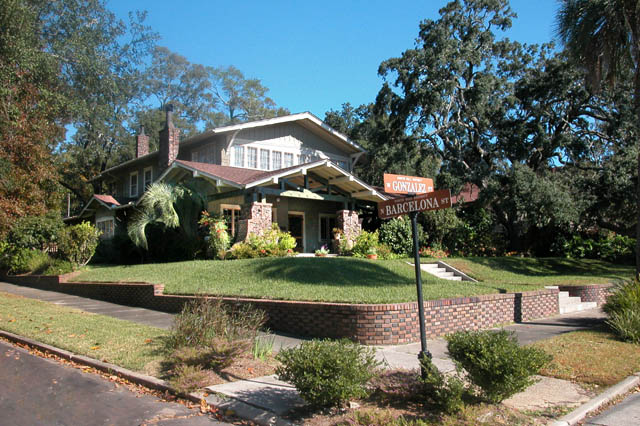
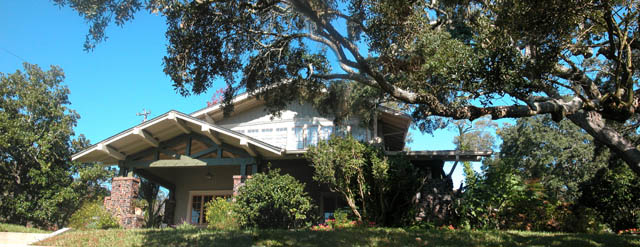
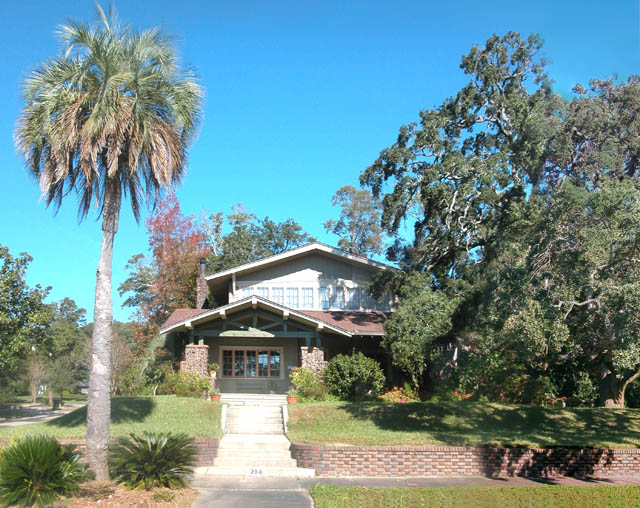
The North Hill is a neighborhood of diverse architectural styles. The Quina home is an excellent example of the bungalow style. In 1909, in his Craftsman Homes, Gustav Stickley sought to tell what the style was all about, declaring that a bungalow was "a house reduced to its simplest form". The Craftsman tradition, always a part of the bungalow ethic, expressed a "woodness" of construction not only expressed but also emphasized with elegant joinery, beams were not only exposed but also rounded or cut at the angle that would best express both function and beauty. (Source: National Trust For Historic Preservation. "What Style is it? - A Guide to American Architecture." ISBN 0-471-14434-7).
North Hill:
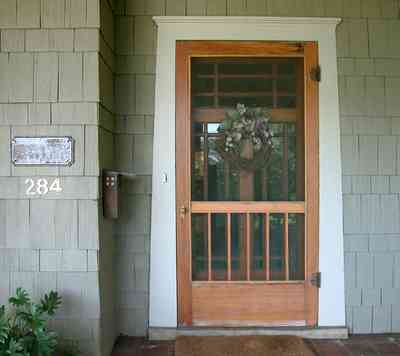
284 West Gonzales Street
North Hill: 284 West Gonzales Street
Pensacola, FL
-
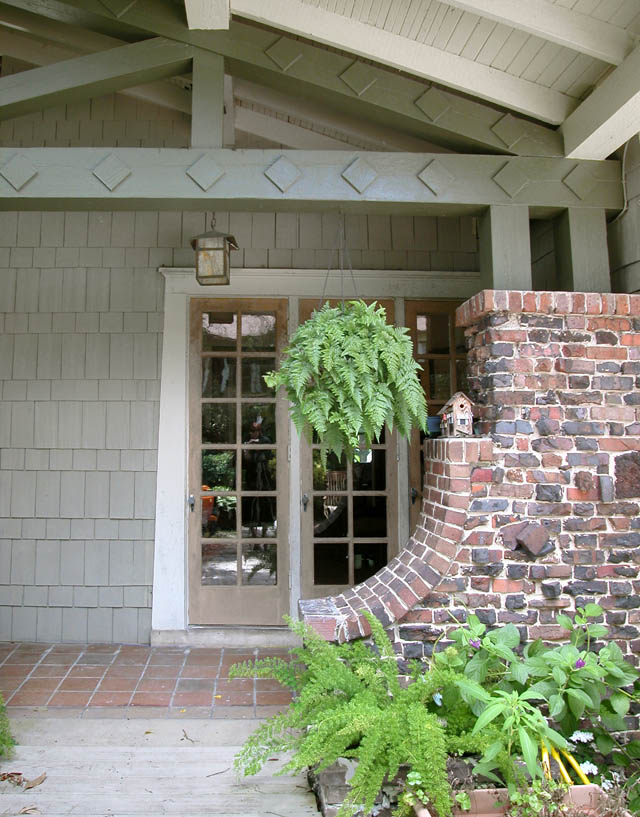
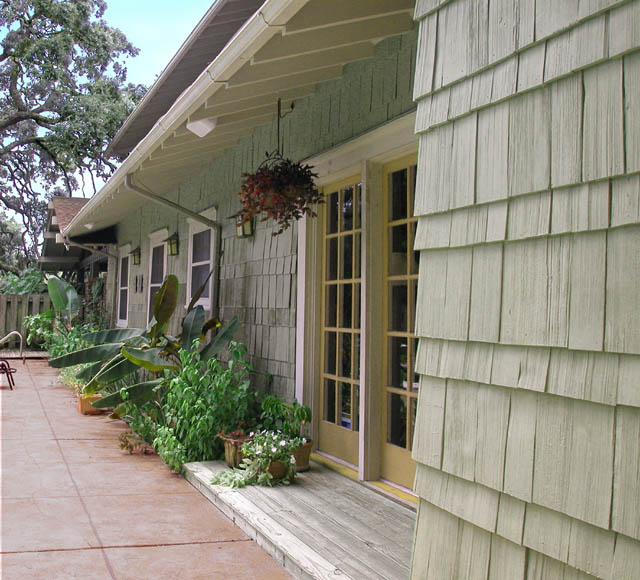
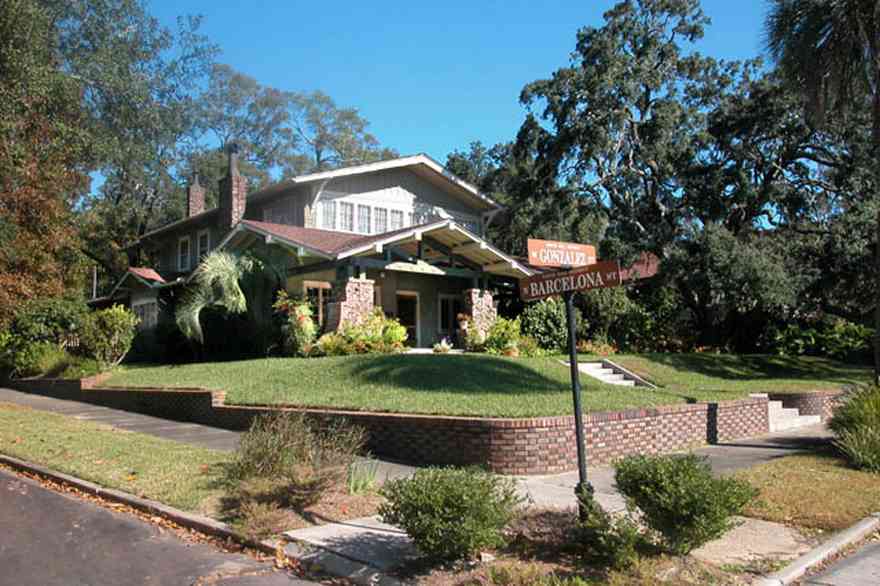 The house exemplifies the bungalow style. It harmonizes with its surroundings because of its low broad proportions and lack of ornamentation giving it a character so natural that it seems to blend into the landscape.
 -
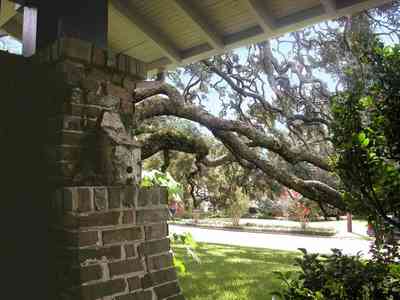
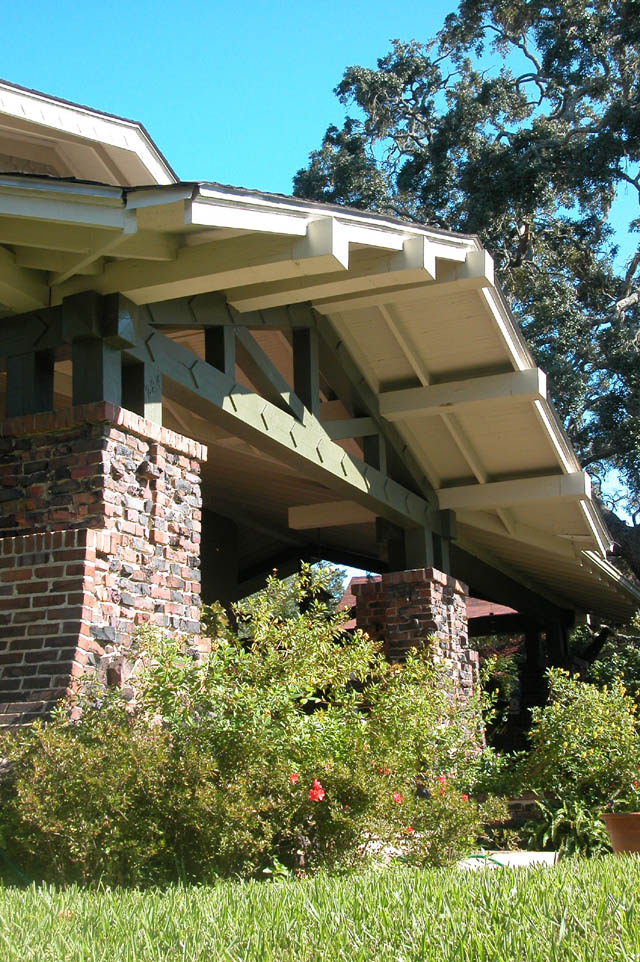
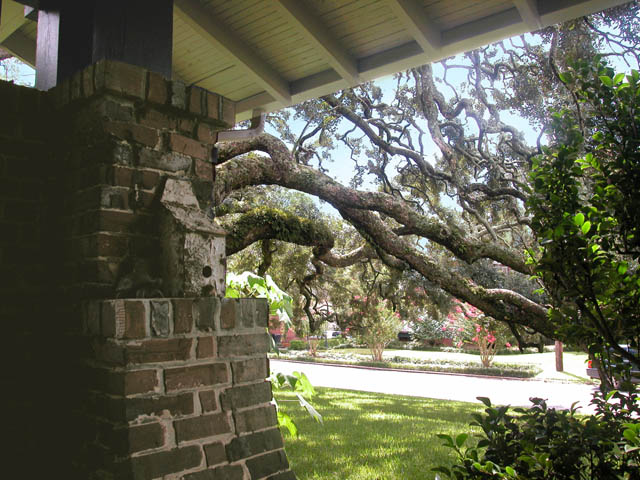
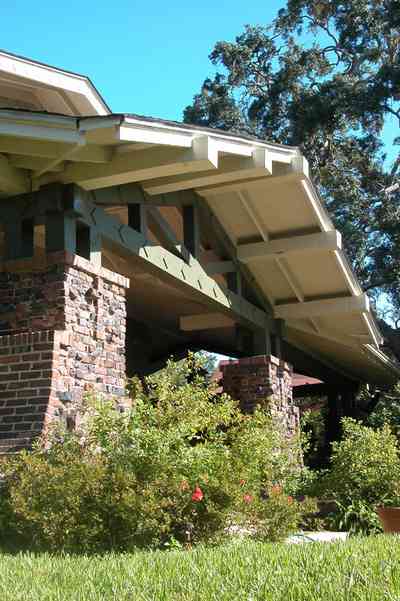 The roof with its wide overhang displays exposed rafters typical of the craftsman style.
 -
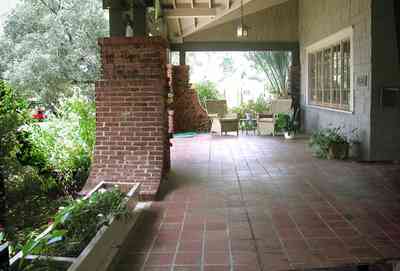
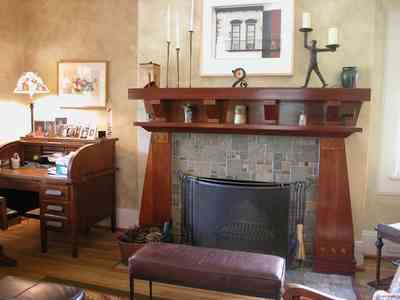
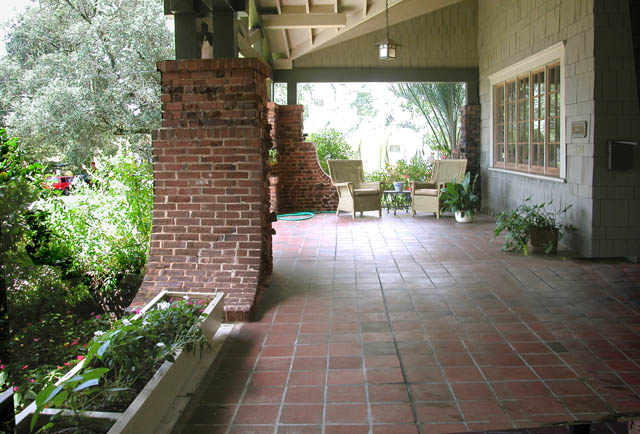
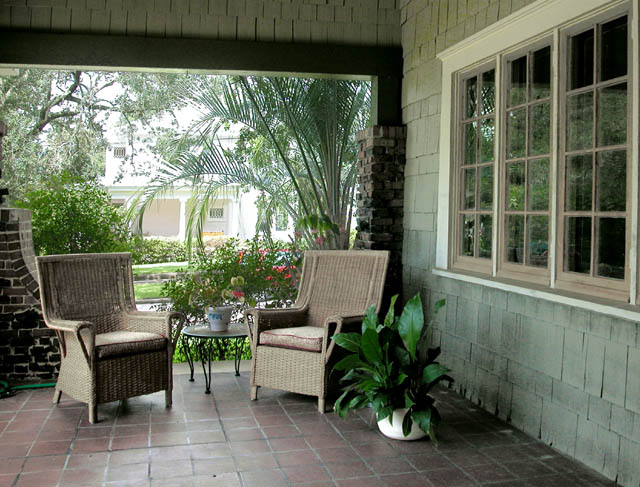
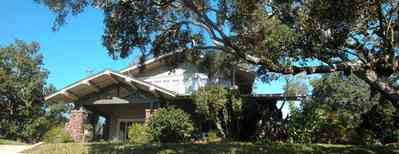 As in this example, bungalows display a fine degree of craftsmanship and are constructed of materials left as closed as possible to their natural state.
 -
 Sears and Roebuck spread the bungalow style across the country by offering several models in its mail-order catalogs.
 -
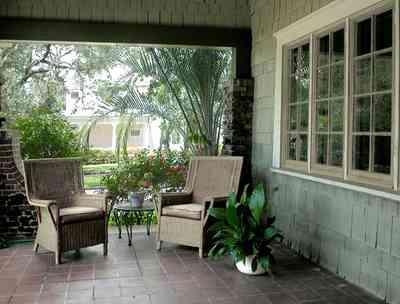
 The exterior color scheme was based on reserch on the Gamble House in Pasadena designed by the Greene brothers.
 -
-
-
-
-
-
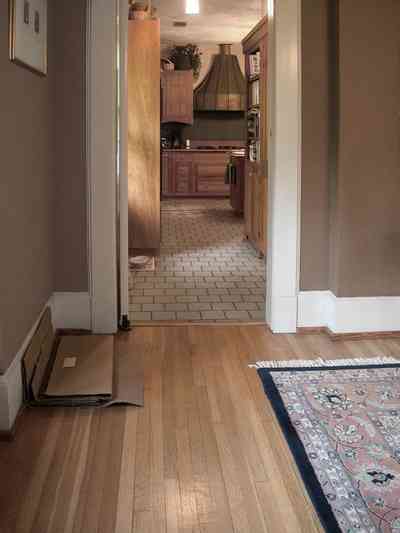
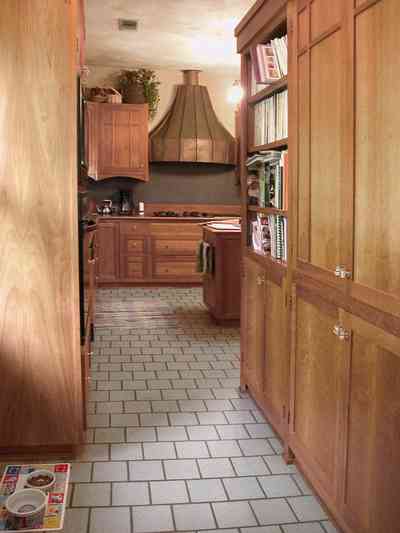
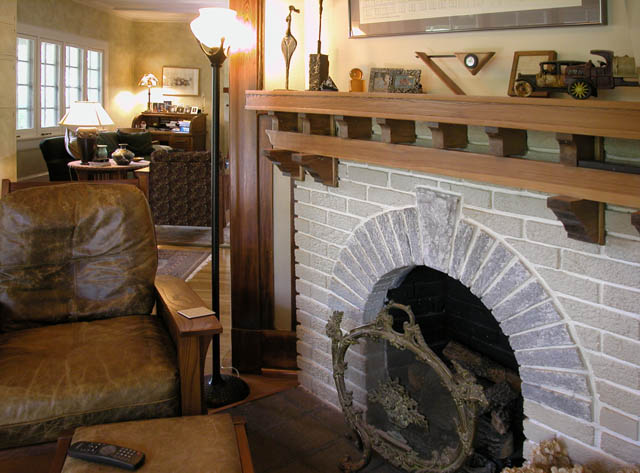
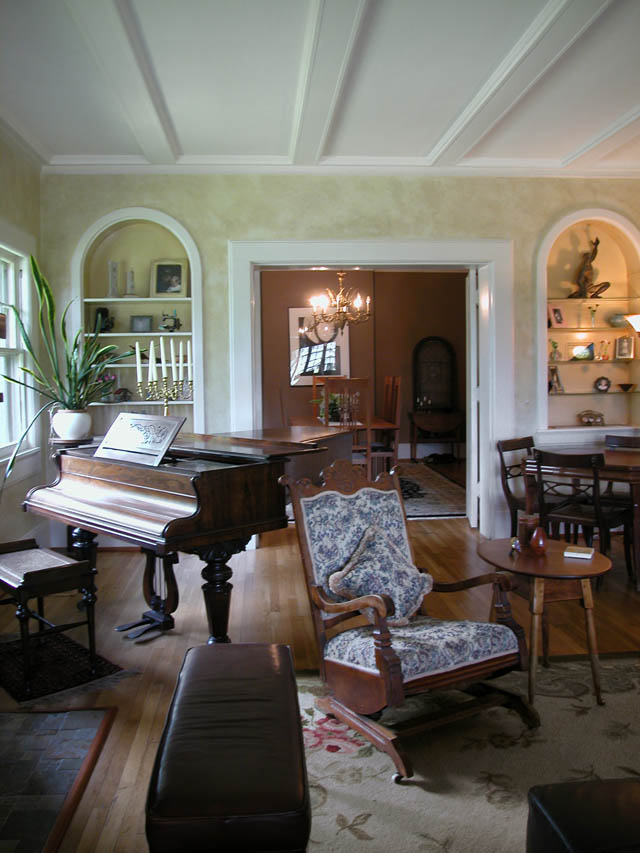
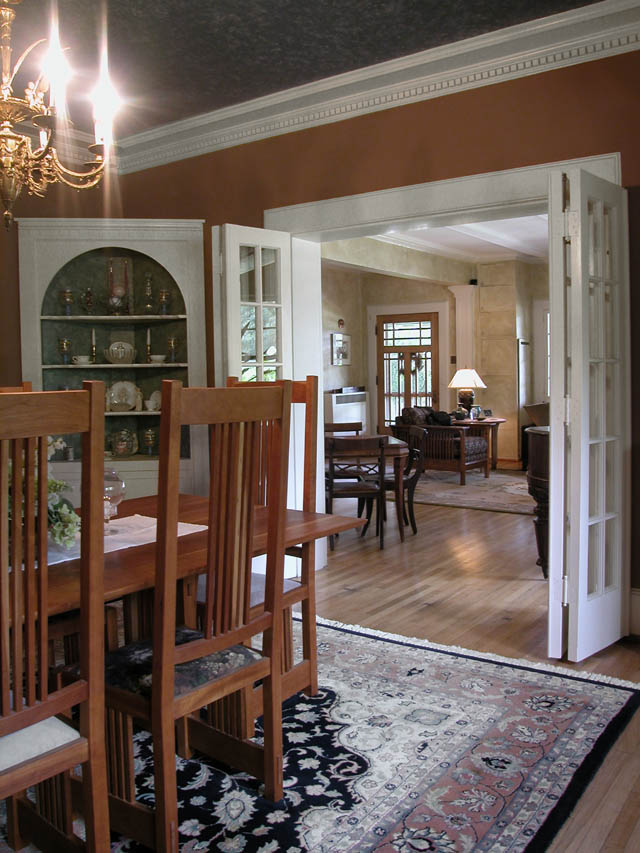
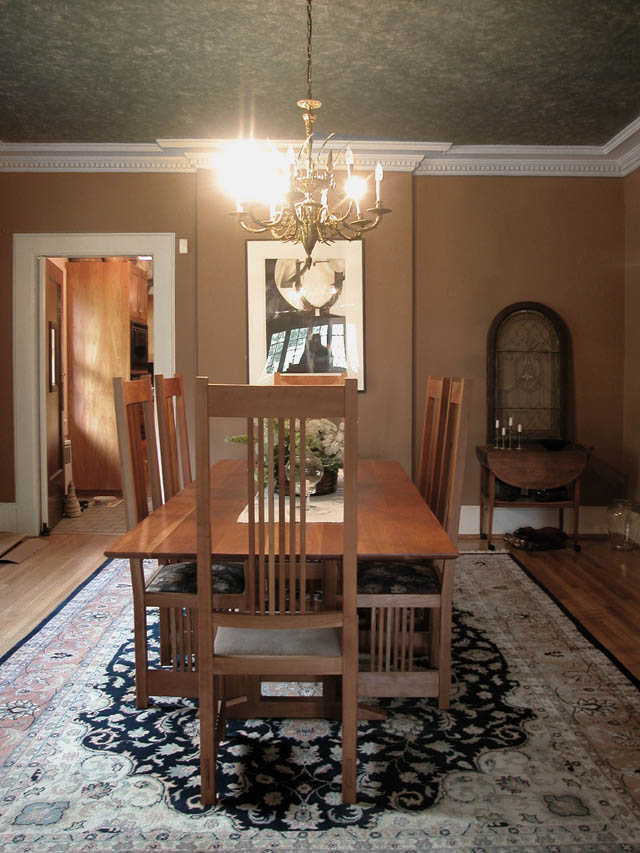
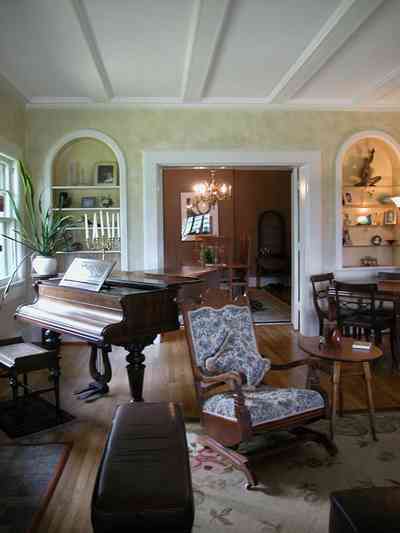 Beamed ceilings are typical of the style as can be seen in the major rooms.
 -
-
-
-
-
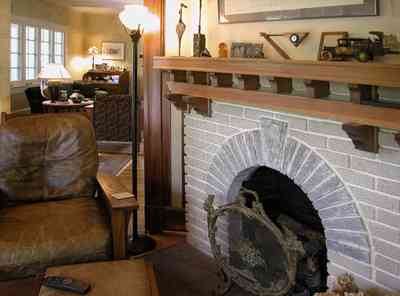
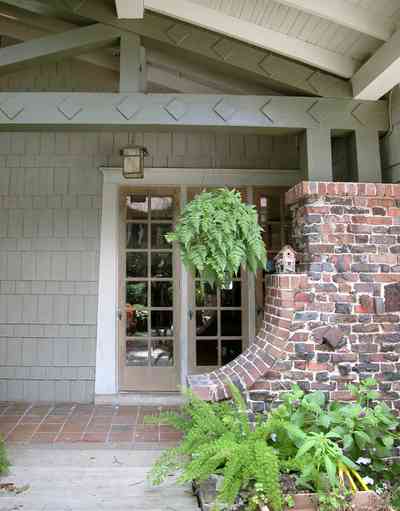 Rough and irregular brickwork is distinctive of the craftsman style. Clinker-bricks were originally discarded because they were discolored or distorted. Around 1920, they were discovered by Craftsman architects to be usable, distinctive and charming! The name "clinker-brick" comes from the sound that they would make when banged together, being heavier than regular bricks. Click here to see other examples of clinker bricks.
 -
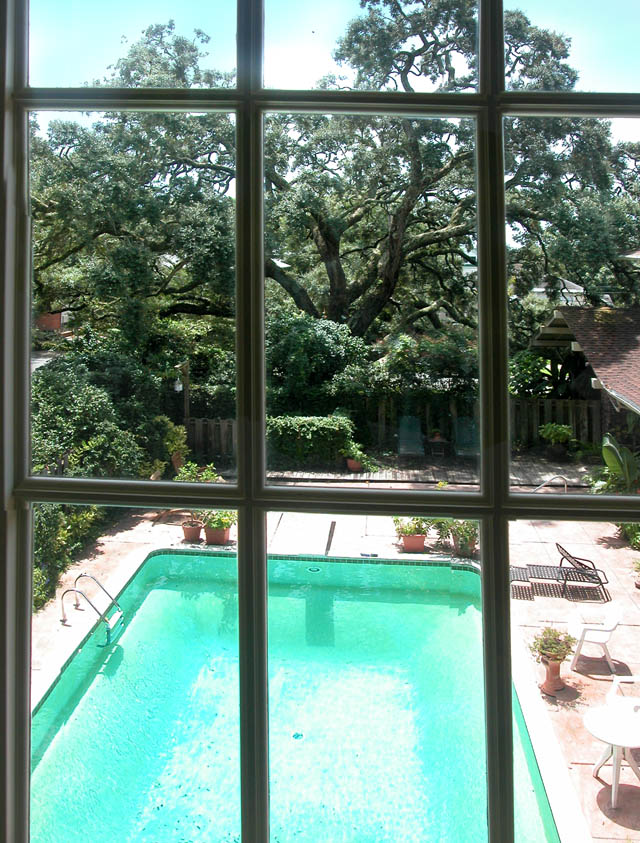
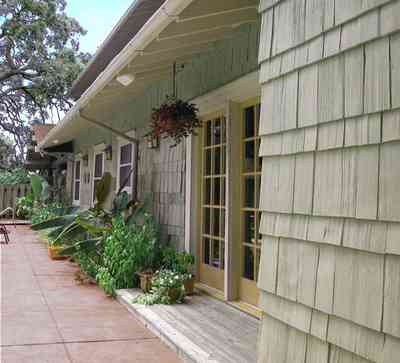 The bungalow stretched to the out-of-doors. Glass doors lead to the swimming pool area.
 -
-
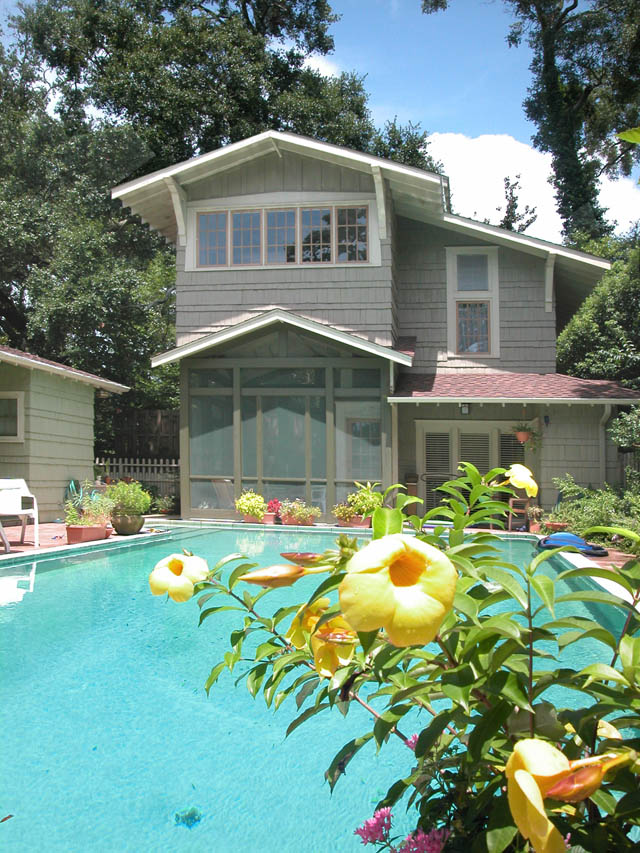
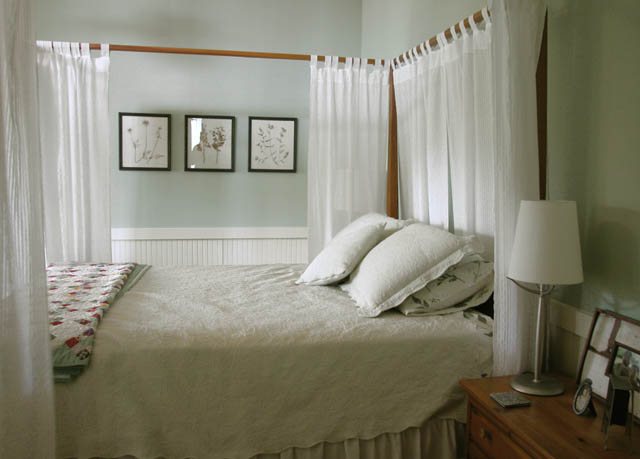
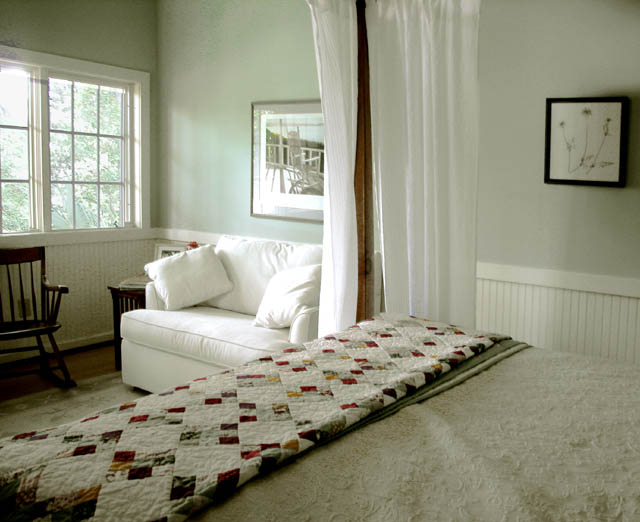
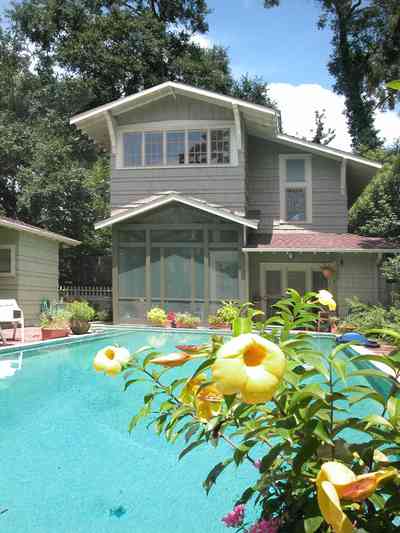 The guest house includes a bedroom, bath and studio.
 -
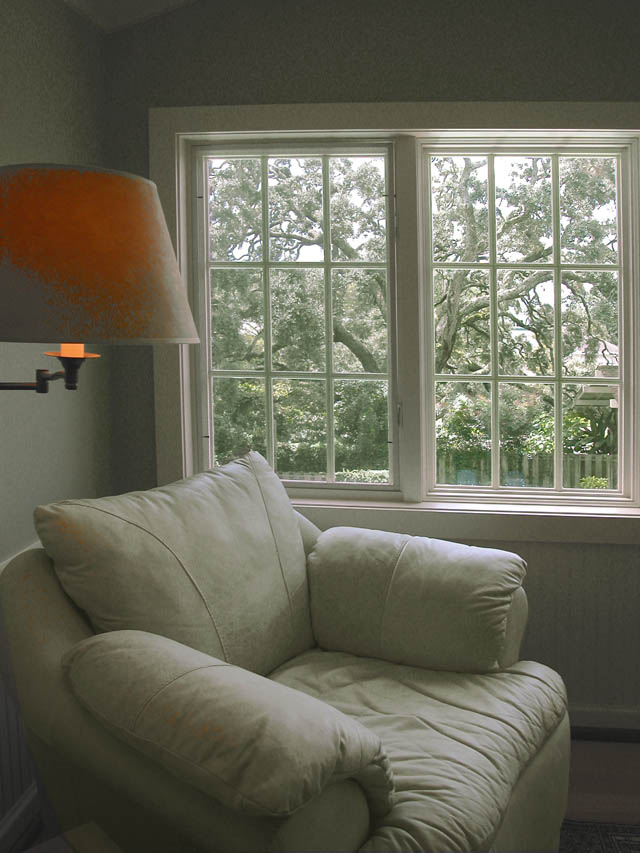
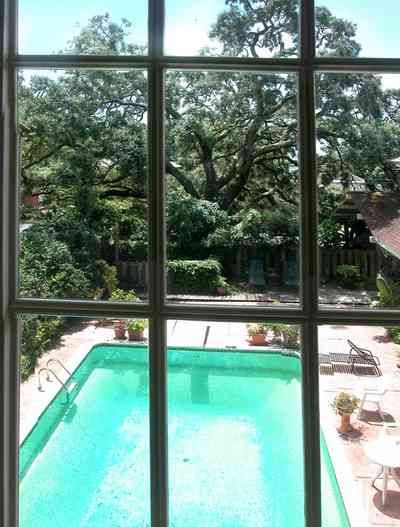 Five casement windows face the heritage oak tree is reminiscent of the grouping of ten windows front the main house
 -
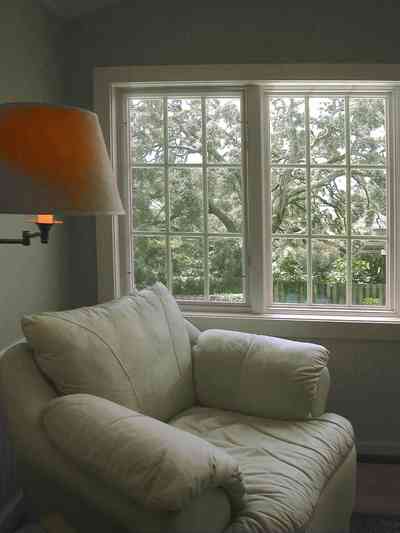 The second floor of the guest quarters includes a studio office space.
 -
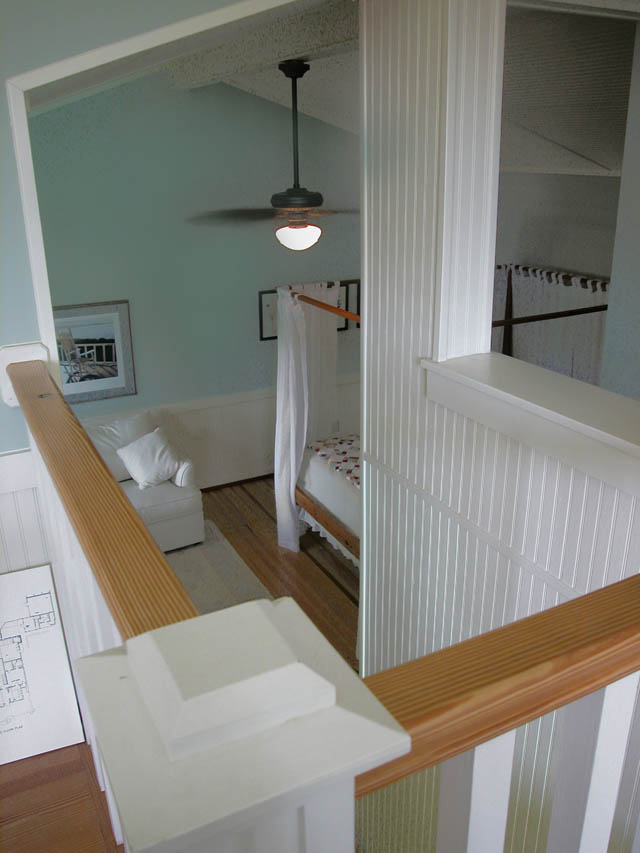
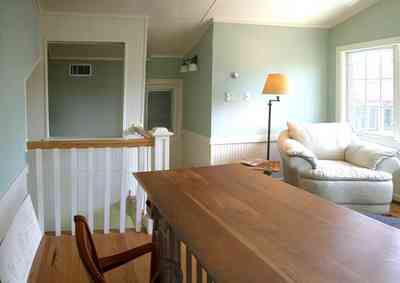 Beaded wood panels were installed beneath windows and in the stairwell whose railing desing duplicated that of the main house.
 -
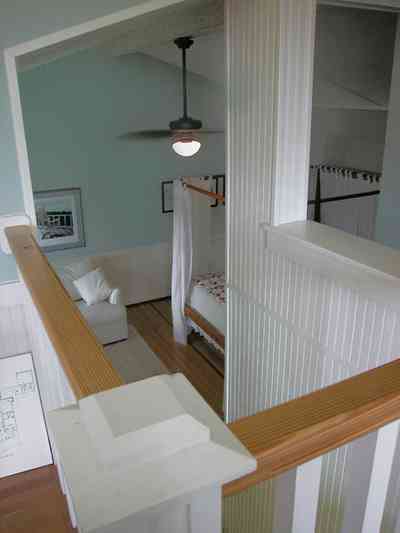 The guest quarters is finished in simple wood and plaster wall board with the sloped form of the roof as the ceiling design.
 -
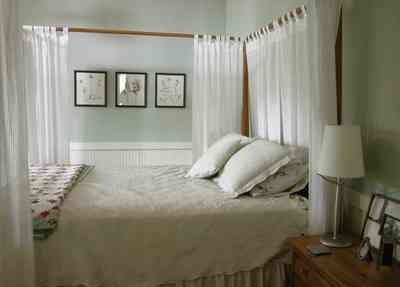
-
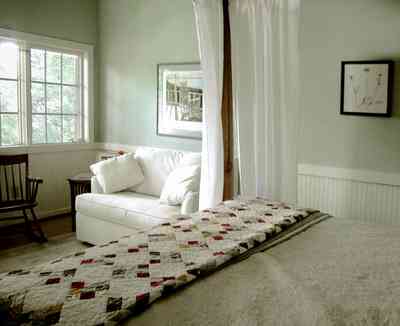 Pine floors were installed throughout.
 -
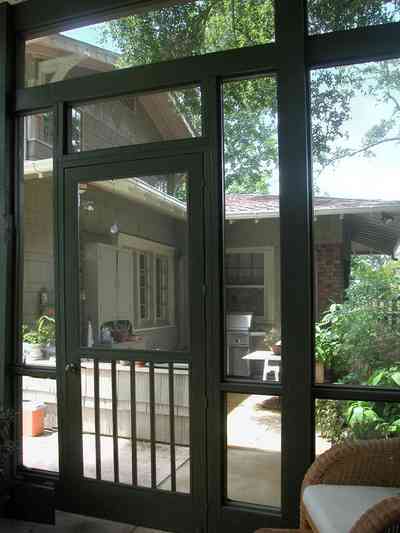 Original materials were procurred to match the new building including cedar shakes from Canada and cypress beams from Louisiana.
 -
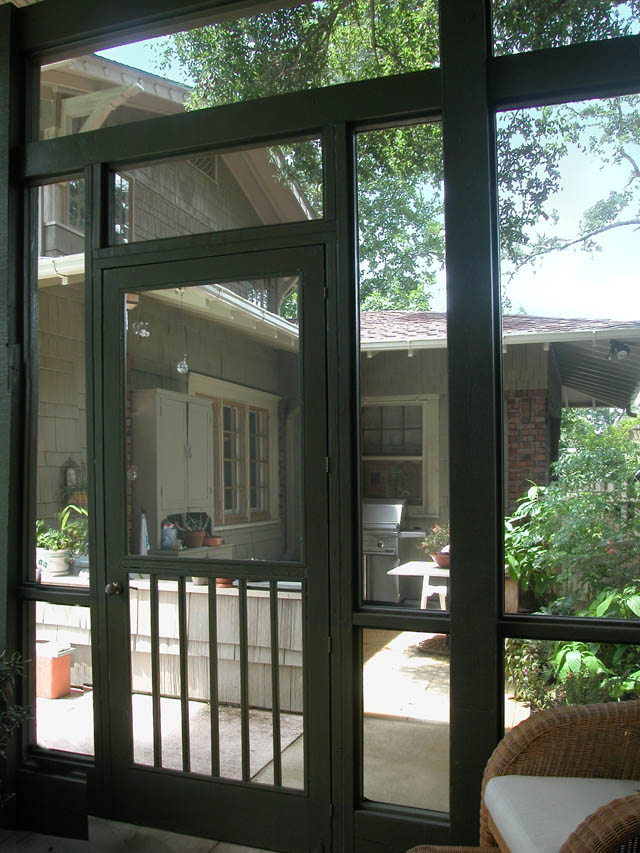
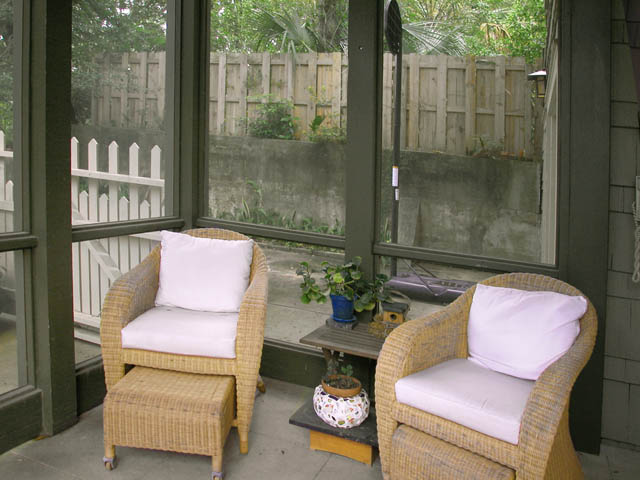
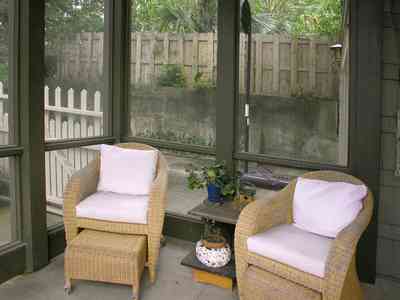 The screen porch was detailed to match the front porch of the main house and brackets were placed to support the exposed rafter tails as on the main house.
 -
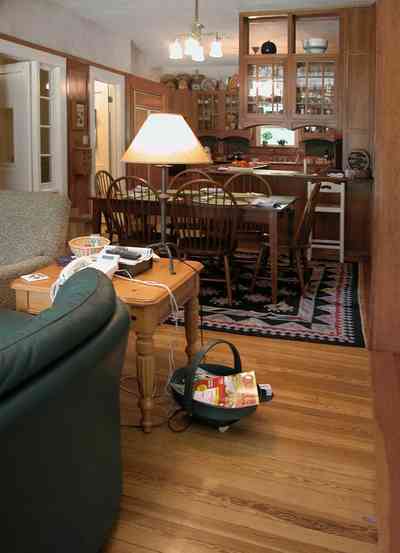
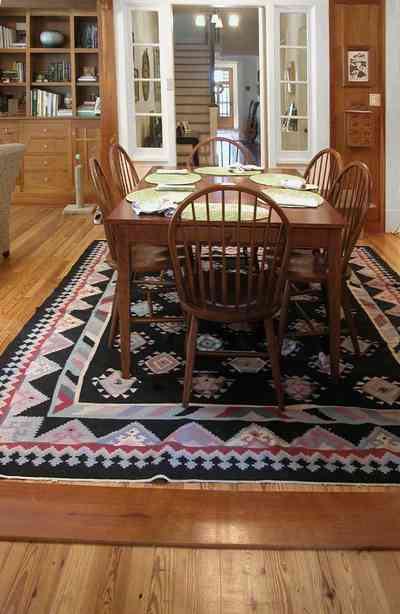
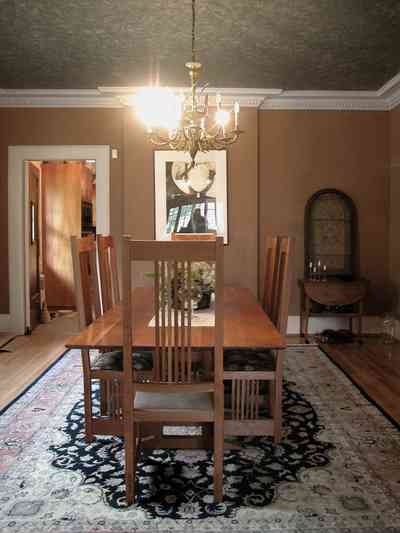
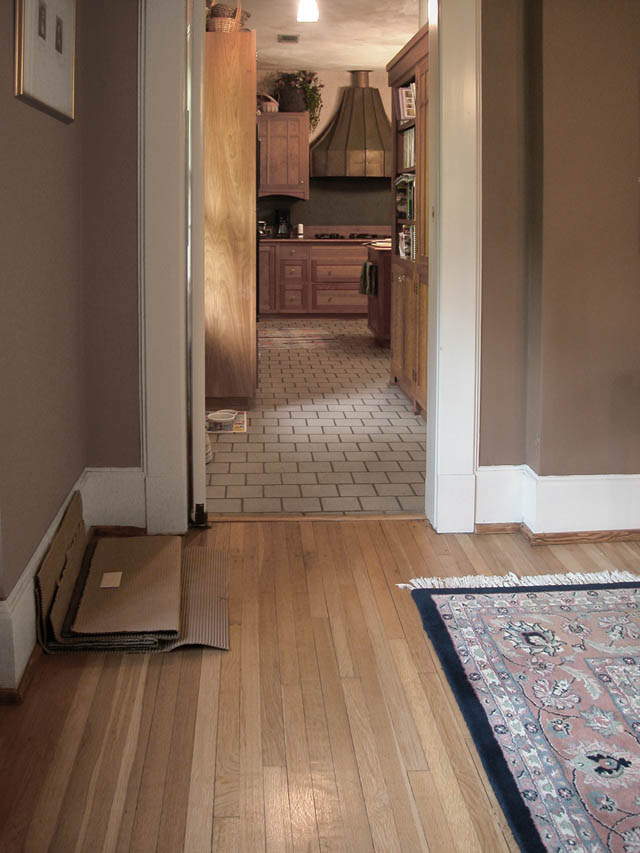
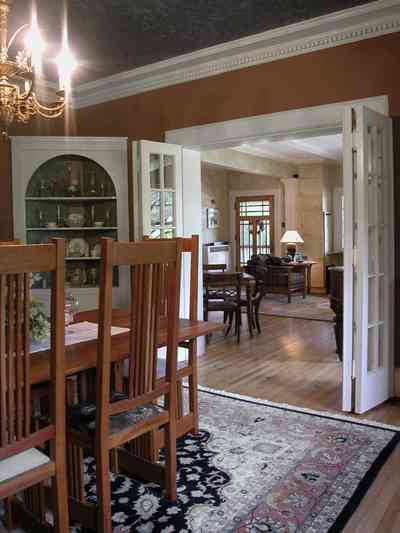 The design of the major rooms is forthright and functional. The living room is directly connected to the dining room.
 -






What's Nearby?
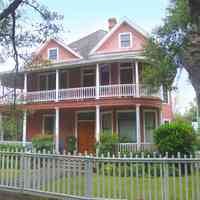 North Hill: 611 North Barcelona Street (0 feet)
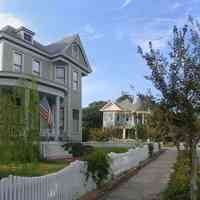 North Hill: 915 North Spring Street (23 feet)
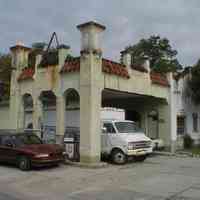 Belmont Devillers: Gas Station (0.2 miles)
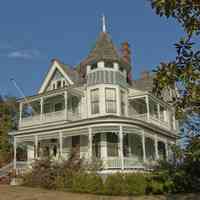 904 Baylen Street (0.2 miles)
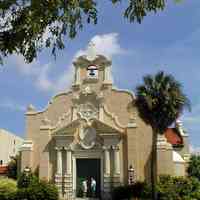 Pensacola: Palafox Historic District: Christ Church (0.3 miles)
 Pensacola: Palafox Historic District: Scottish Rite Temple (0.3 miles)
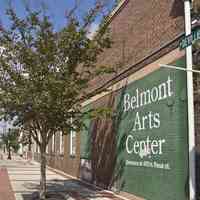 Belmont Devillers Art Center (0.3 miles)
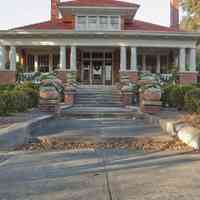 116 West DeSoto Street (0.3 miles)
 114 West DeSoto Street (0.3 miles)
 114 East Strong Street (0.3 miles)